
Table of Contents
Key Takeaway:
When it comes to building a long-lasting and weather-repellent roof, many Project Owners focus on the sediments, tiles, or metal consoles that form the apparent outer layer. However, underneath these exterior matters lies a pivotal element that plays a vital role in safeguarding the probity of the roof formation: roofing felt. Often failed to notice but compulsory, roofing serves as a hurdle against dampness, provides added covering, and contributes to the survival of the roof. In this blog, we'll delve into the consequences of roofing, its numerous well-beginning, and why it earned recollection as the unacclaimed hero of roofing. For a smooth roofing repair, hire the best!
What is a Roofing Felt?
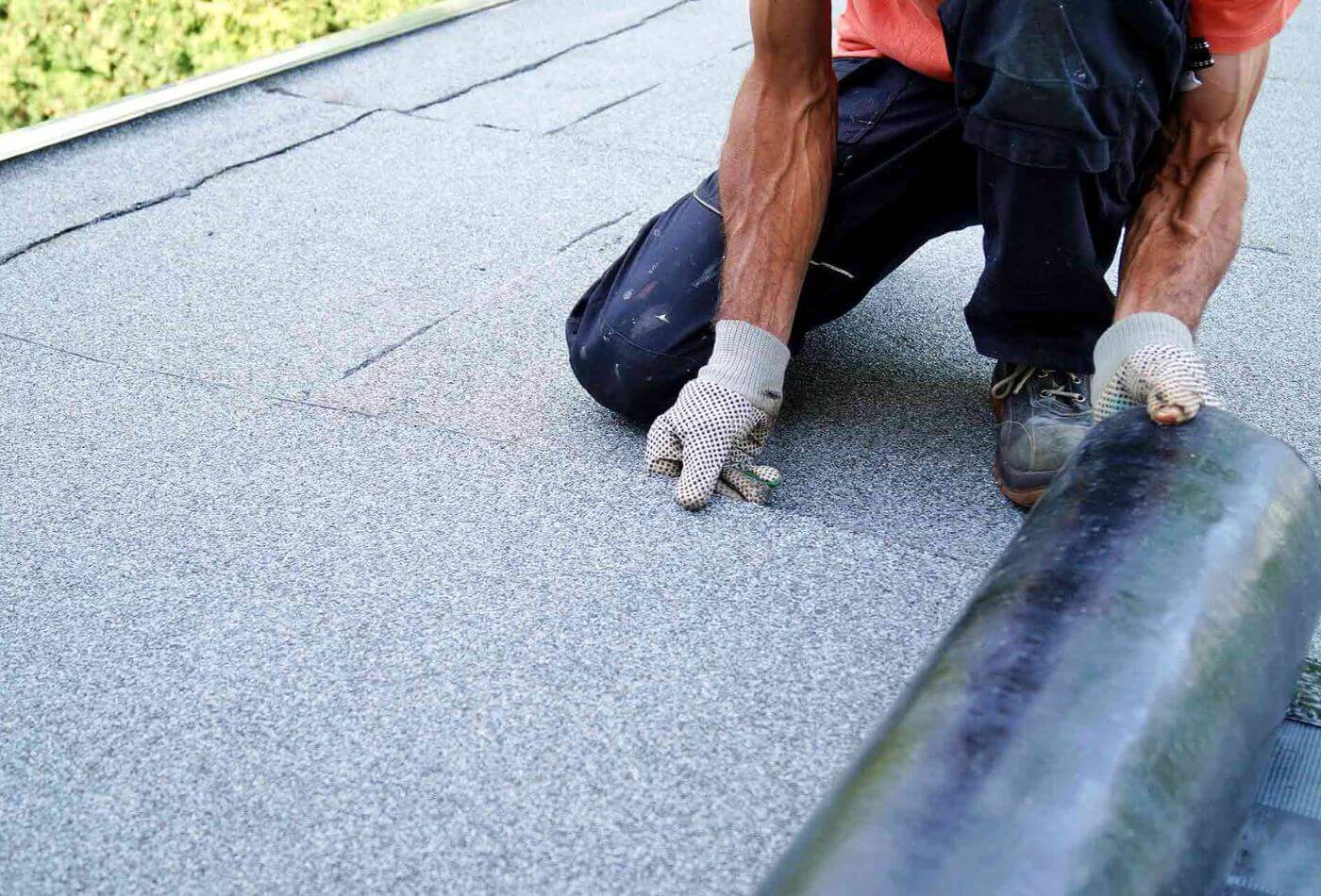
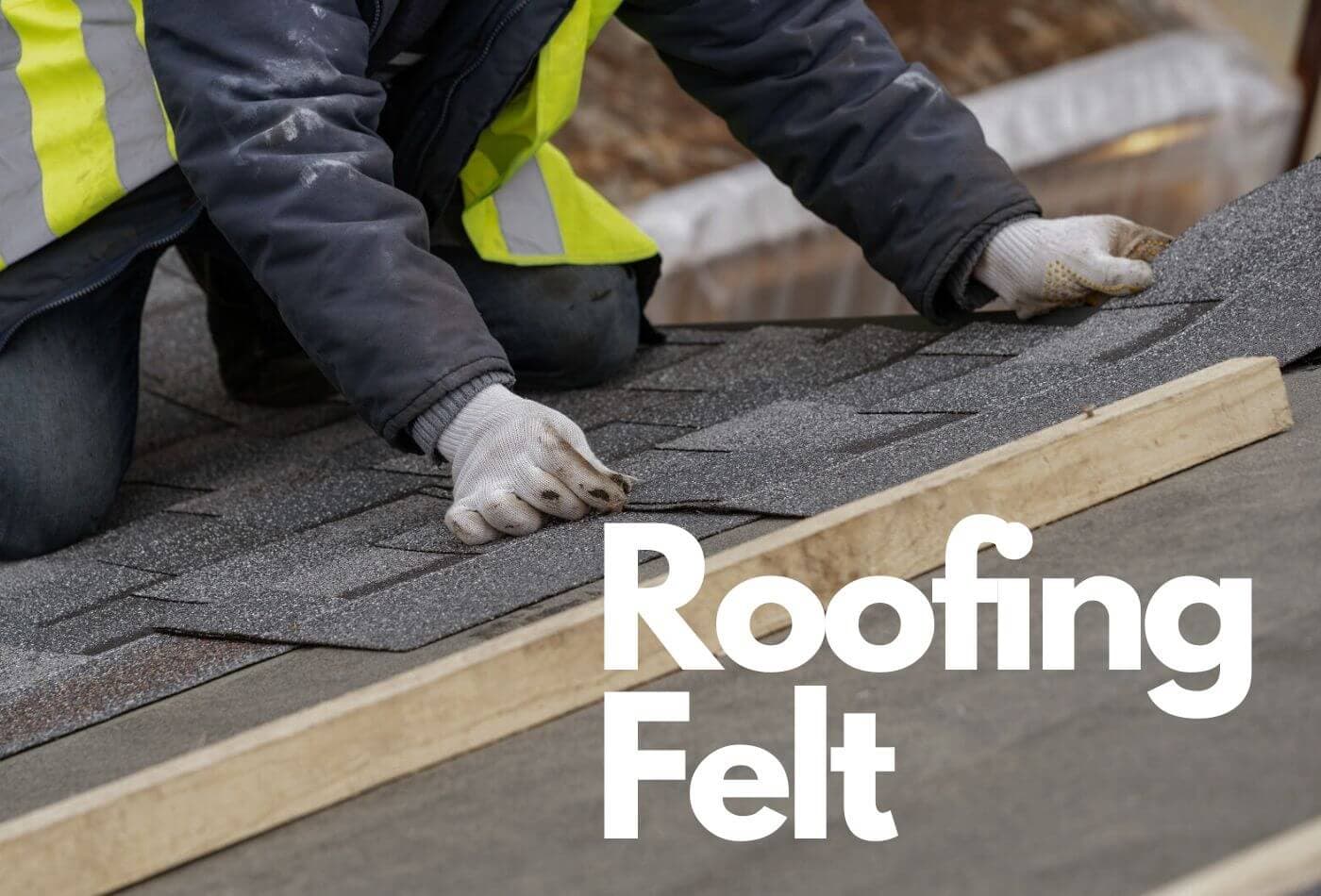
Roofing felt, also known as roofing underfloor or tar paper, is a thin, bendable material usually made from a meld of pitch and either glassfire or natural fibres. It is positioned straight onto the roof deck before the final roofing substance, such as models or tiles, is applied. Roofing feels comes in rolls and is accessible to various extent and category, pivot on the particular concern of the roof and climate situations.
Contact info@myproject.ai for more information.
Materials You Can Use For Roofing Felt
Choosing the right roofing felt depends on your roof type, climate, and budget. Asphalt-saturated felt (often called tar paper) is a traditional, affordable option providing basic waterproofing and is effective for steep-sloped roofs. Synthetic roofing felt is a more modern choice. It is made from polyethylene or polypropylene and offers increased durability, tear resistance, and lighter weight. It is ideal for various climates, especially in areas prone to heavy rain or wind. Rubberized asphalt felt includes self-adhering layers and is highly waterproof, perfect for low-slope roofs or regions with heavy rainfall. Each type offers protection under shingles or tiles, acting as a moisture barrier while also improving energy efficiency by adding a thermal layer, thus extending your roof's lifespan.
Buy These Heavy-Duty Roofing Felt
High Endurance Level
Heavy-fealty roof felt is outlined to resist harsh weather situations, including strong winds, heavy rain, and snow, pursuing abiding preservation for roofs.
Water-resistance
This type of felt offers magnificent water-resistance potential, preventing water from exuding into the roof construction and causing damage.
Puncture defiant
Made from high-standard, shore-up matters, heavy-commitment roofing feels resistant to penetration and tears, warranting the probity of the roof under tension.
Creativity
Acceptable for abundant roofing petitions, including familial, mercantile, and industrial constructions, heavy-duty detectors can be used with dissimilar roofing matters like moulds, vein, and tiles.
Chill Resistance
It executes well in very great febricity, both hot and cold, conserving its protective possession without mortifying.
Hassle Free-Setup
Usually accessible in large rolls, it is proportionally easy to grasp and install, which lowers labour time and costs.
Profitable
Provides a resistance and dependable roofing compound at a logical price, contributing good value for money over its life cycle.
Protection Against Moisture
One of the most important purposes of roofing felt is to serve as a condensation hurdle and intercept water aggression into the fundamental roof construction. Even a small amount of congestion dribbling through the roof can lead to vitation, such as decompose of the roof deck, mould growth, and come to terms with constructional probity. Roofing acts as a lower-level line of shielding, accompanying the primary water-resistant material provided by the outer roofing matter.
Additionally, roofing is especially critical in corners liable to massive rainfall or snowfall, where the risk of water perforation is giant. By productively sealing seams and joins and pursuing a further layer of shielding, roofing feels helps to reduce the risk of water destruction and extend the life of the roof.
Enhanced Insulation
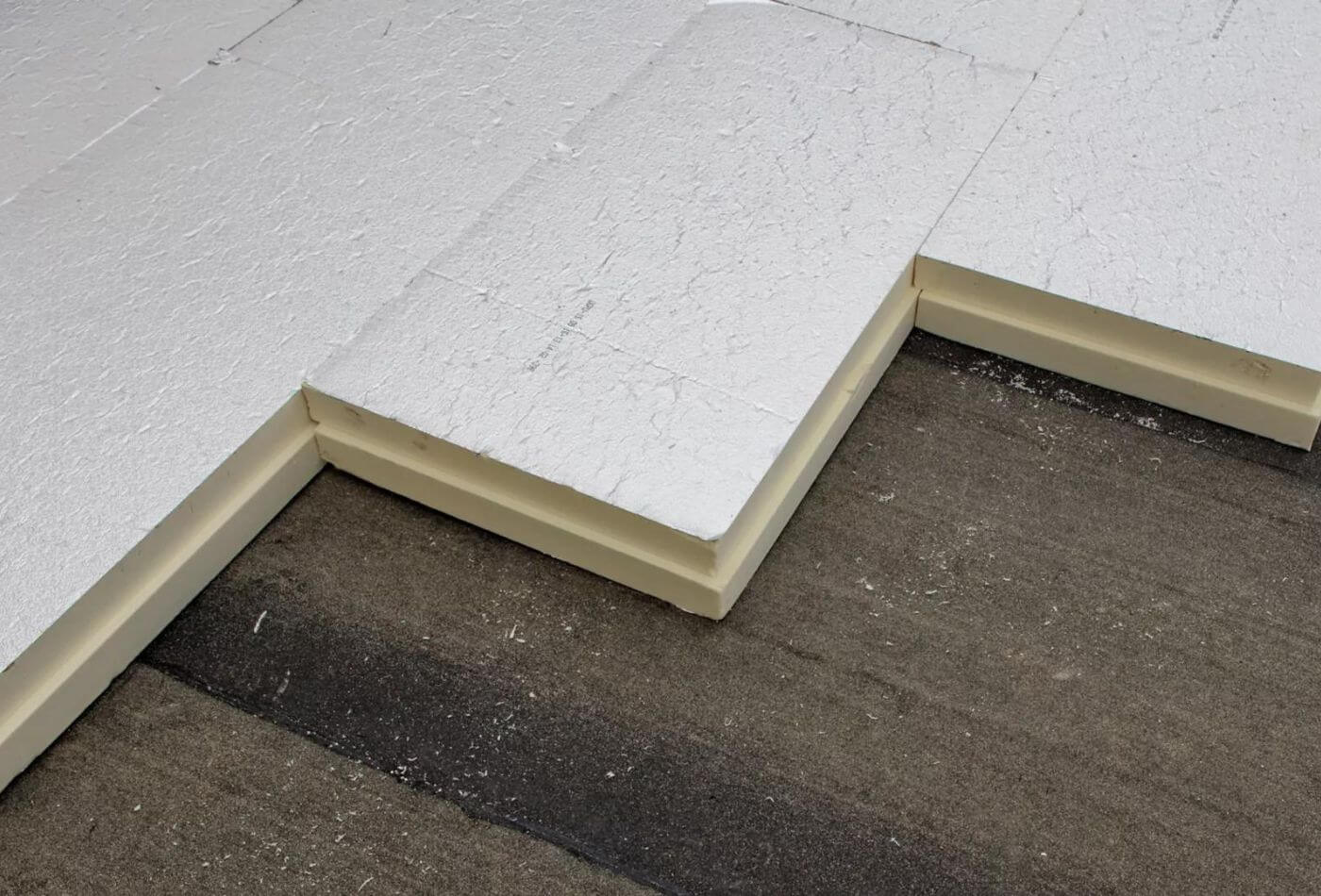
In addition to its role as a condensation hurdle, roofing also lay out added covering for the building. While not as productive as devoted covering materials such as glass fibre or foam, roofing helps to lower heat loss across the roof deck, mostly in colder climates. This can lead to better energy regulation and lower warm up costs for Project Owners.
Furthermore, roofing felt can help to diminish scorching extend across, where heat is carried through the roof composition via beneficial matters such as metal buckle or wood brace. By adding an extra layer of covering between the roof deck and the outer roofing matter, roofing helps to reduce heat fetch and keep a more compatible indoor fertility.
Synthetic vs. Asphalt Roofing Felt: Which is Better?
When comparing synthetic and asphalt roofing felt, each has distinct advantages. Asphalt roof felt is a traditional tar paper which is too cost-effective and widely available and provides basic protection against water infiltration, making it suitable for steep-slope roofs. Synthetic roof felt is a newer, premium option made from polymers like polypropylene, offering superior tear resistance, lighter weight, and better water resistance. It's also less affected by weather fluctuations, making it more durable in various climates. Synthetic felt's flexibility and long-lasting protection generally make it ideal for high-performance applications, though it's more expensive. Ultimately, the best choice depends on budget, roof slope, and desired durability.
Protection During Roof Installation
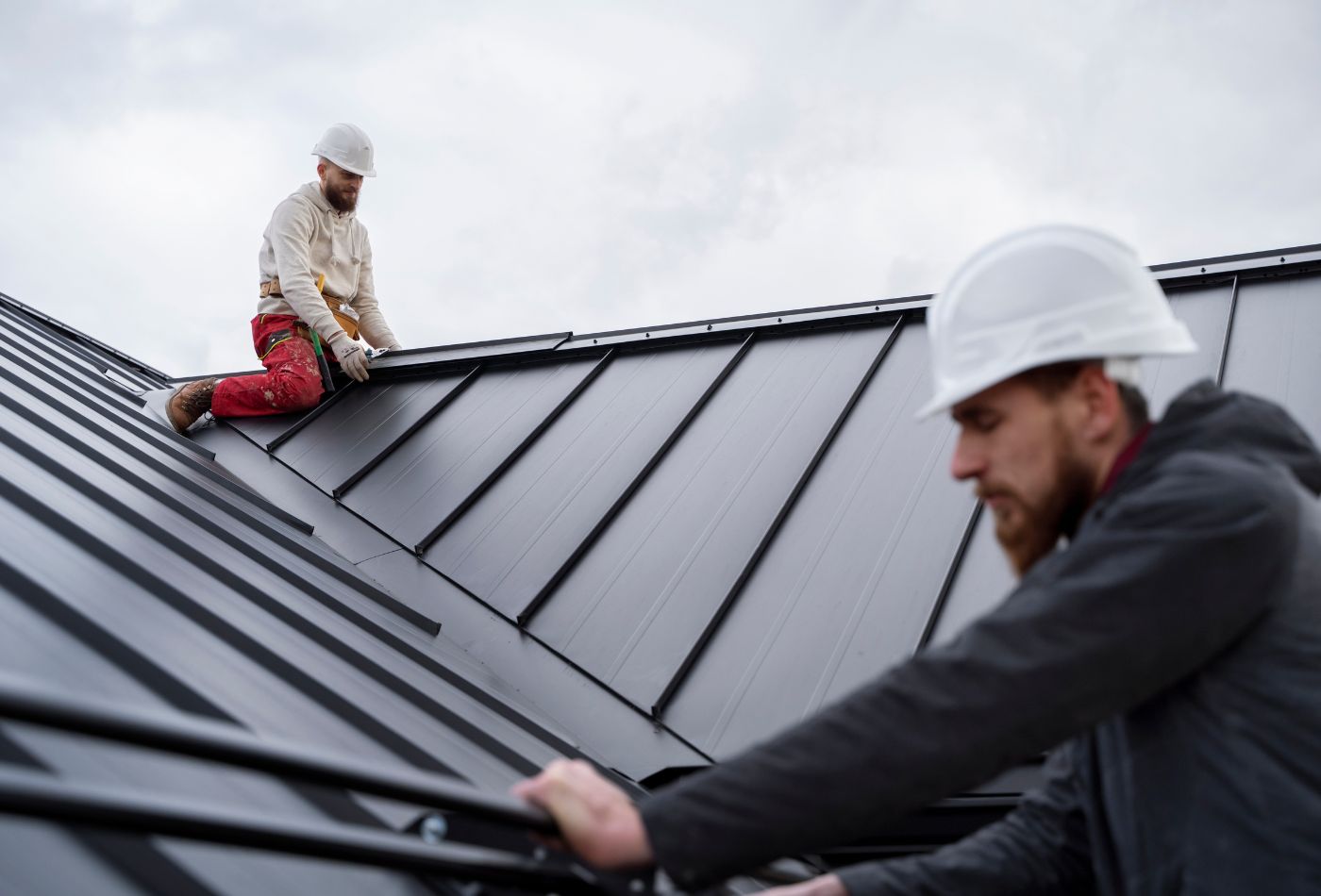
During the fitting of a new roof, roofing serves as a shielding hurdle, protecting the roof deck from repair caused by the component or foot congestion. This is especially important in affairs where there may be a make late between the fitting of the underflooring and the final roofing matter. Roofing dispenses weather protection, intercept water invasion and ensures the probity of the roof until the project is concluded.
Additionally, roofing can help to design a glossy surface for the fitting of the final roofing matter, such as moulds or tiles. It helps to bridge small gaps and unevenness in the roof adorn, ensue in a more consistent and executive-looking complete product.
In MAI, Soon going to add effects, you can get floor tile to cabinets. For queries you can chat directly with us.
Conclusion:
In conclusion, roofing felt may not be the most alluring or visible element of a roof, but its consequences cannot be overplayed. From guarding against glossy aggression to intensify covering and condition makeshift weather defence during conversation, roofing plays a pivotal role in making certain the survival and imperishability of the roof composition. As homeowners and contractors alike examine the various features of roofing, let us not leave the unacclaimed hero of roofing.
Frequently Asked Questions
Do Roofers Use Felt Anymore?
Yes, roofers still use roofing felt as it remains a critical constituent in contemporary roof building. Current progress in roofing matters, roofing dispenses necessary glassy defence, covering, and short-term weather aversion to during covering. It acts as a secondary barrier against water aggression, mostly in areas liable to heavy rainfall or snowfall. Furthermore, roofing helps fabricate a plane surface for the final roofing matter and reduces heat loss, providing energy planning. Overall, roofing continues to have resources by roofers to ensure the longevity and durability of roofs.
What Felt Is Best For Roofing?
For roofing, the best affection usually depends on components like climate, budget, and certain project concerns. An artificial basement, like polyethylene or polypropylene, offers high imperishability, tear aversion, and intensified water resistance compared to conventional asphalt-saturated felts. However, traditional felt made from organic fibres soaking in pitch remains a well-received choice due to its popularity and proven execution. Fibreglass-reinforced felt provides increased strength and stability, which is ideal for high-wind areas. Ultimately, selecting the best felt involves considering factors such as weather conditions, budget constraints, and desired longevity to ensure optimal protection and performance for the roof.
Try MAI for free today ❤️🔥!