
Table of Contents
Key Takeaway:Rainwater harvesting systems thoroughly offer a sustainable solution for water conservation which helps to reduce utility costs, and minimising environmental impact as well. It's very important to implement these rainwater harvesting systems to manage water resources in a very effective manner, support eco-friendly practices, and it also contributes to a greener future as well. Remember, MAI is always here to provide expert advice and helpful tips for all your home improvement projects. Feel free to call +44 0208 004 3345 or mail MAI (info@myproject.ai). |
Introduction
As environmental concerns and water conservation become increasingly important, rainwater harvesting systems offer a practical and sustainable solution for managing water resources at home. These systems capture and store rainwater for various uses, helping homeowners reduce their reliance on municipal water supplies and lower their utility bills. In this blog, we'll explore the benefits, components, installation, and maintenance of rainwater harvesting systems, and why they are a valuable addition to any home.
What Are Rainwater Harvesting Systems?
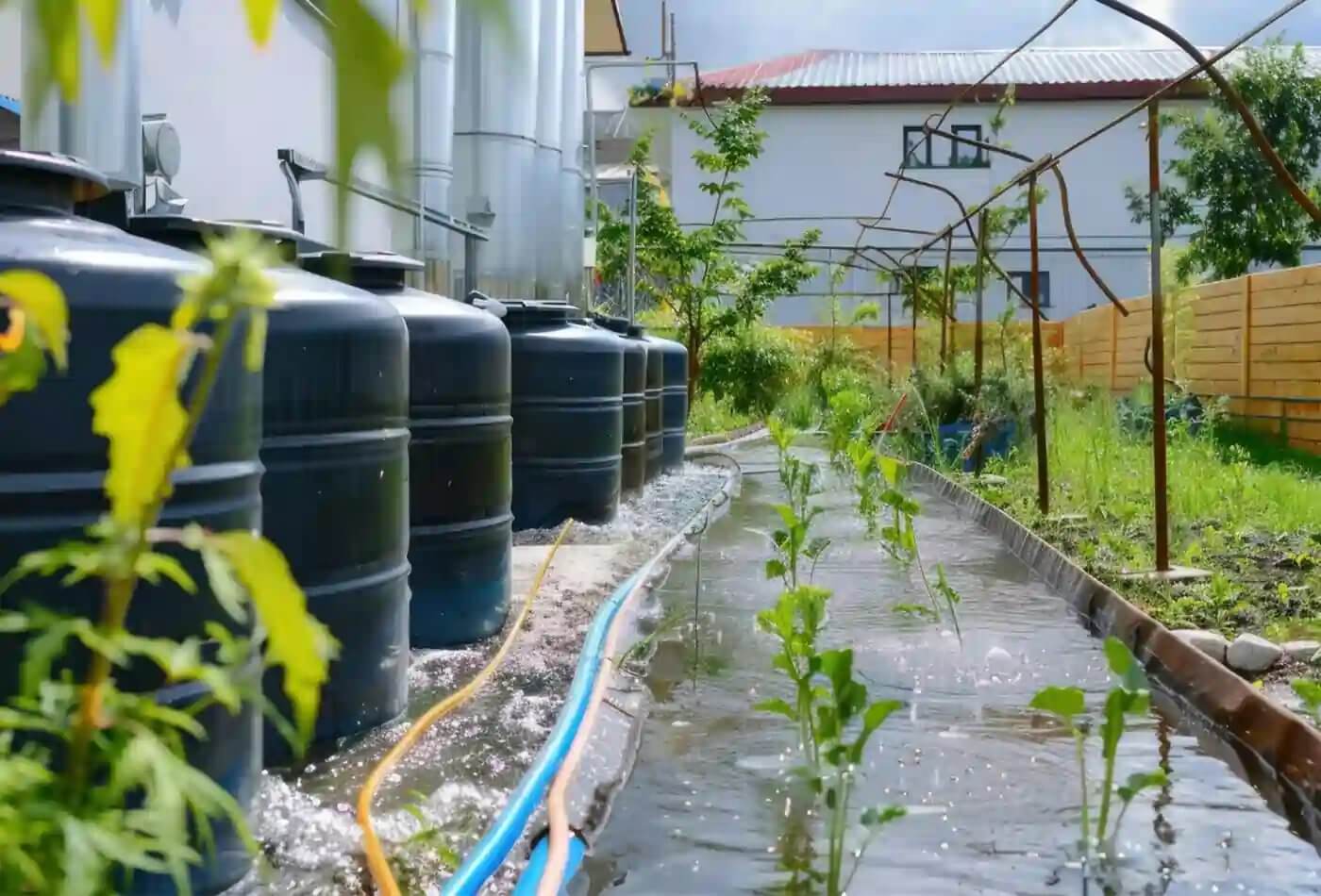
The process of rainwater harvesting is as follows: It works by capturing rainwater from surfaces like roofs and driveways. This water is then stored in a tank and can be thoroughly used for things like watering plants, flushing toilets, and even drinking, if treated properly. The main parts of a rainwater harvesting system are the collection surface, Gutters cleaning, filters, storage tank, and pipes to distribute the water.
Benefits of Rainwater Harvesting Systems
Water Conservation
One of the most significant advantages of rainwater harvesting systems is their ability to conserve water. It is very important to note that homeowners can reduce their dependence on municipal water supplies by capturing rainwater, which thoroughly helps conserve this precious resource.
Reduced Water Bills
It's very important to implement this rainwater harvesting system that can thoroughly lead to substantial savings on water bills as well. You can significantly reduce your consumption of municipal water by using collected rainwater for irrigation, toilet flushing, and other non-potable uses as well.
Sustainable Water Source
It is highly notable that these rainwater harvesting systems provide a reliable and sustainable water source. By harnessing rainwater, you can ensure that there will be a very steady supply of water for various household needs, even during periods of water scarcity or supply disruptions.
Stormwater Management
Rainwater harvesting systems thoroughly help to manage stormwater runoff by capturing rainwater that would otherwise contribute to flooding and erosion as well. This can thoroughly reduce the strain on local stormwater management systems and help prevent water pollution and damage to surrounding environments.
What Are the Key Components of a Rainwater Harvesting System?
Collection Surface
The collection surface, typically the roof which is used to capture rainwater and directs it into the system. It's very important to ensure that the roof is made of non-toxic materials to prevent contamination of the collected water.
Gutters and Downspouts
Gutters and downspouts channel the rainwater from the roof to the filtration system. Proper installation and maintenance of these components are considered as very crucial to ensure that water flows smoothly and efficiently into the system as well.
Filtration System
A filtration system is considered as very essential for removing debris and contaminants from the collected rainwater. This may include pre-filters to remove larger particles, first flush systems to eliminate the initial dirty runoff, and fine filters to ensure that the water is very clean and safe for use as well.
Storage Tank
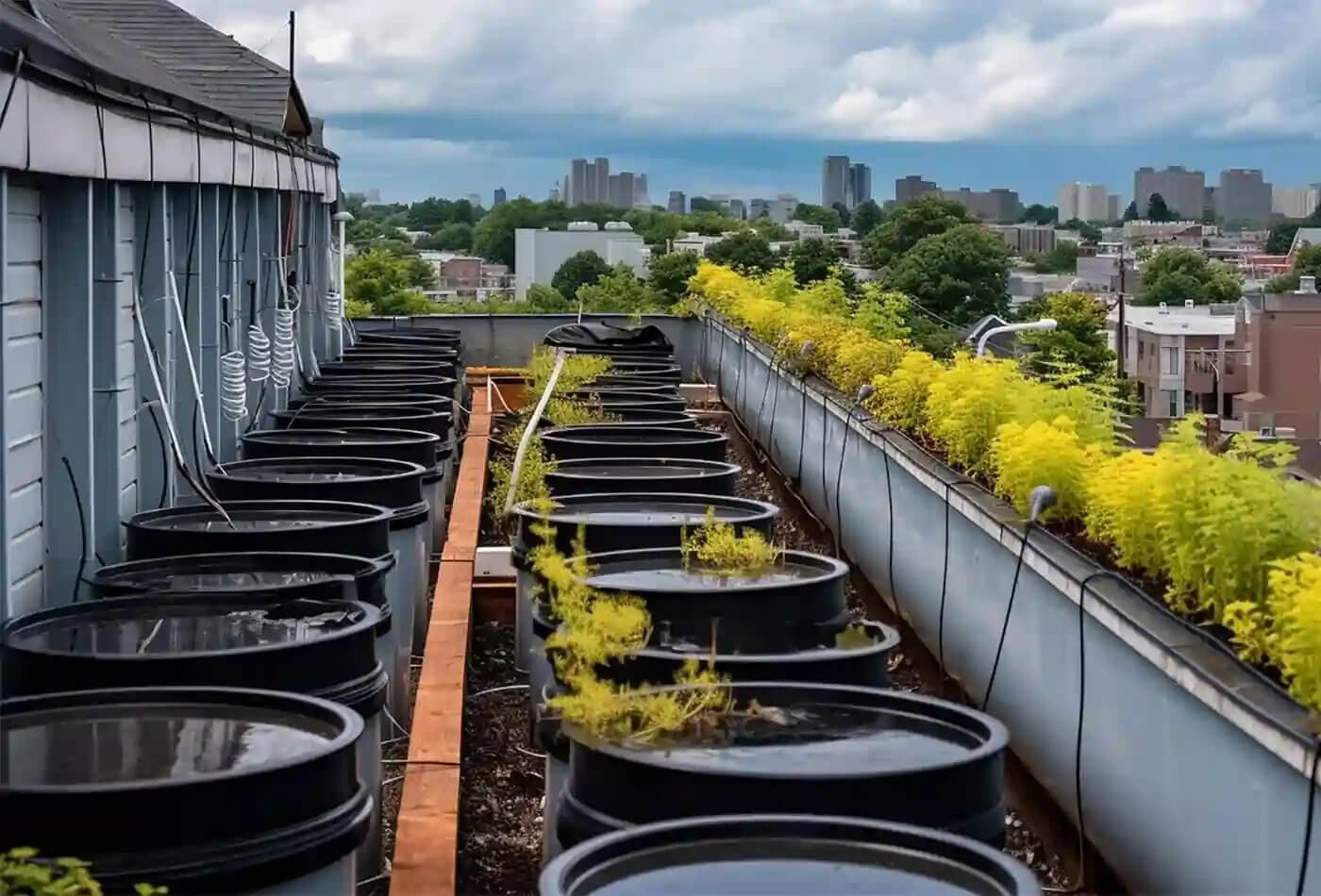
The storage tank holds the collected and filtered rainwater until it is needed. Tanks come in various sizes and materials, such as plastic, concrete, or metal. It is very important to note that the choice of tank thoroughly depends on factors such as available space, water needs, and budget.
Distribution System
Notably, the distribution system thoroughly helps to deliver the harvested rainwater to intended uses as follows: irrigation systems, toilets, or household fixtures as well. It generally includes pipes, pumps, and valves to ensure that there will be a proper flow and proper pressure as well.
How Can You Install a Rainwater Harvesting System?
Assess Your Needs
Before installing a rainwater harvesting system, it's very important to assess your water needs and determine the system’s appropriate size and capacity. You need to consider some of the important factors such as roof size, average rainfall in your area, and intended uses of the collected rainwater as well.
Select the Right Components
To ensure reliability and efficiency in your rainwater harvesting systems, it's very important to choose high-quality components. It's very important to consider the important process of these systems as follows: selecting suitable collection surfaces, gutters, filters, storage tanks, and distribution systems as well.
Professional Installation
While DIY installations are possible, you need to consult with professionals who specialise in rainwater harvesting systems to ensure proper installation and performance as well. Professionals can thoroughly help to design a system tailored to your needs and ensure compliance with local regulations.
System Integration
It's very important to integrate the rainwater harvesting system with your existing plumbing and irrigation systems. Proper integration ensures that the system works seamlessly with your home's infrastructure as well..
Conclusion
Rainwater harvesting systems thoroughly offer a practical, sustainable, and cost-effective solution for managing water resources in your home in a very effective manner. It's very important to capture and utilise rainwater,so that you can conserve water, reduce your utility bills, and contribute to environmental sustainability as well. For more tips on other home maintenance advice, you need to stay tuned to our blogs. Ready to start your deck care journey with MAI?
Call to Action
Just rely on MAI for free registration, perfect tradespeople, budget-friendly project completion, and secure payment options. Our DIY guide covers everything from preparation to finishing touches which will help you to explore a stunning and long-lasting result as well. Transform your home into a vibrant and inspiring space today with MAI! Join MAI for free!
Frequently Asked Questions And Answers:
1. What Are the Main Benefits of Rainwater Harvesting Systems?
Some of the important benefits are as follows: water conservation, reduced water bills, a sustainable water source, and improved stormwater management as well.
2. How Do I Choose the Right Rainwater Harvesting System for My Home?
You need to assess your water needs, select high-quality components, and its very important to consider professional installation for optimal performance.
3. Are There Any Regulations for Installing a Rainwater Harvesting System?
Try to check local regulations and building codes, as there may be specific requirements or restrictions for rainwater harvesting systems.
Try MAI for free today❤️!