
Table of Contents
- Key Takeaway
- Are you thinking of Renovating? Here's Why Plasterboard is a Top Choice!
- What is Dry Lining, and Why Is It Important?
- MAI Offers Numerous Solutions for Buyers, Sellers, UK House Owners, and Traders!
- Plasterboard vs Wet Plaster: Which One is Right for Your Home?
- Plasterboard Fire Resistance and Soundproofing: What You Need to Know?
- DIY Dry Lining: 5 Easy Steps for Walls and Ceilings!
- How to Paint and Decorate Plasterboard for a Flawless Finish?
- Conclusion
- Frequently Asked Questions and Answers
Key Takeaway
Plasterboard and dry lining are fundamental components in modern UK construction and give better solutions to create smooth interior surfaces. Plasterboard is a stunning and versatile material employed to construct interior walls and ceilings. Dry lining is used to fix plasterboard to walls or ceilings without wet plaster. It offers you benefits like improved insulation and soundproofing. It is necessary to pick the correct type of plasterboard for specific areas, like moisture-resistant bathroom boards. Whether you're a homeowner looking to buy plasterboards near me or looking for plasterboard and dry lining installation services near your place, understanding these elements is vital to getting perfect plasterboard and dry lining home services. For any inquiry, call us at +44 0208 004 3345 or email us directly at info@myproject.ai.
Are you thinking of Renovating? Here's Why Plasterboard is a Top Choice!
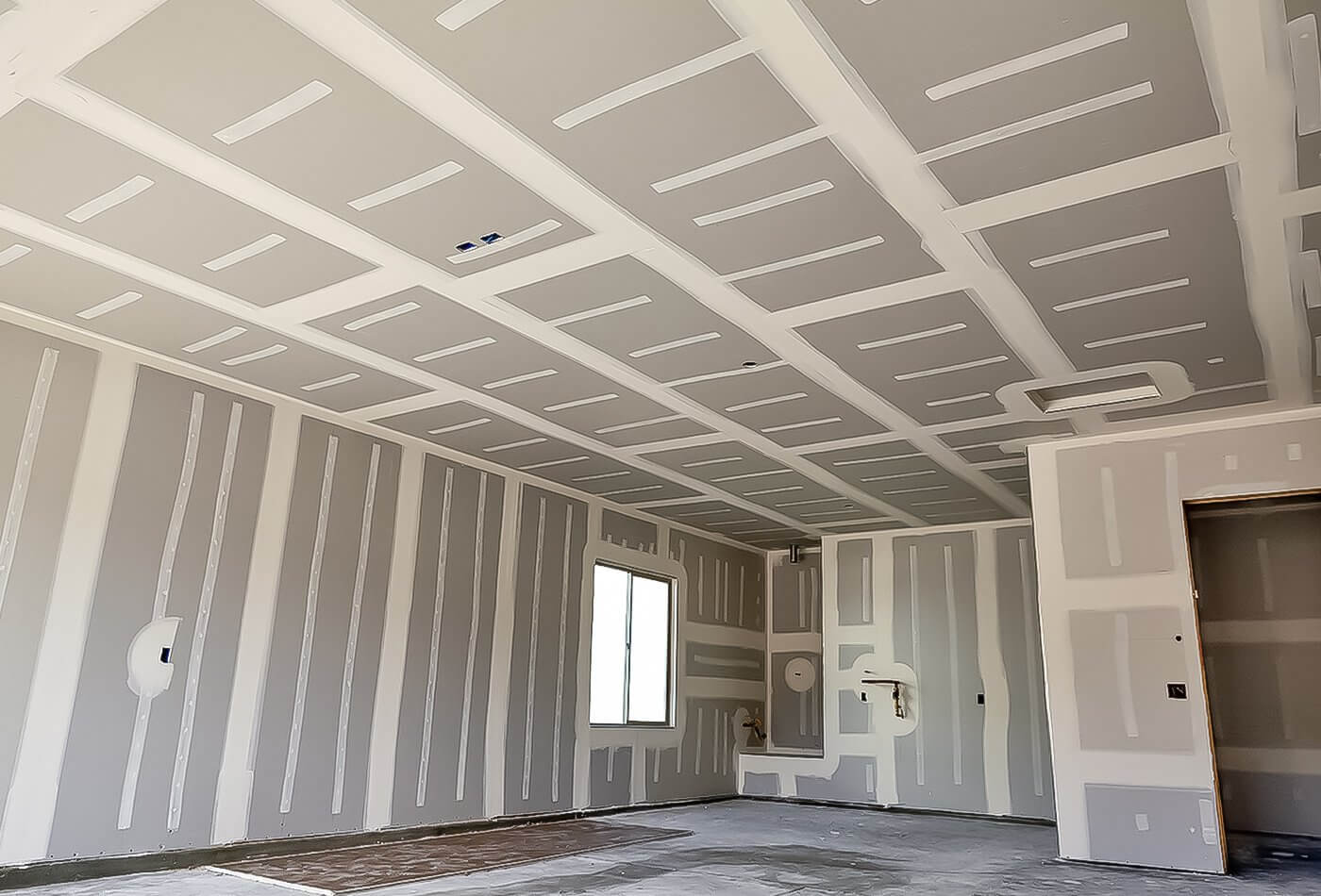
Plasterboard, also called drywall, is a panel made using gypsum plaster, which is pressed between two thick sheets of paper. In the UK, constructing interior walls and ceilings is used primarily due to their power of affordability as well as ease of installation.
They come with a composition of gypsum core sandwiched between paper liners.
You can have them in standard sizes like 1200mm wide and lengths from 2400mm to 3000mm.
Based on application, plasterboard thickness is 9.5mm or 12.5mm for home renovation.
They have numerous benefits, like fire-resistant, moisture-resistant, and soundproof choices.
Plasterboard is best for walls and ceilings when you pick the right type based on durability, insulation, and fire resistance.
Hire expert services for plasterboard and dry lining installation to avoid critical issues.
What is Dry Lining, and Why Is It Important?
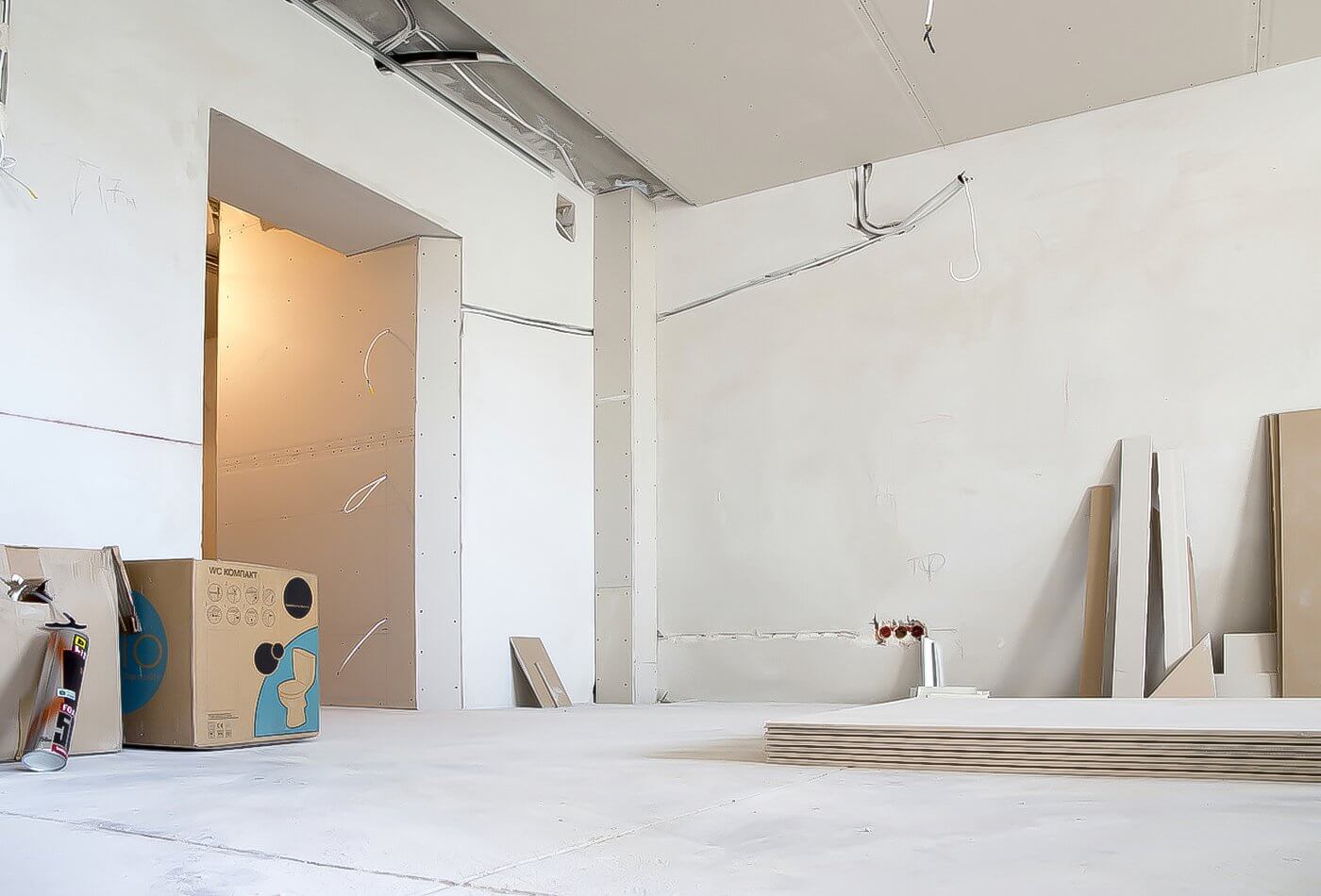
Dry lining is a technique that is employed to line internal walls and ceilings with plasterboard without the need for wet plaster.
5 Powerful Reasons!
This method has gained popularity in the UK for various reasons:
• Speed
You can get it with faster installation compared to traditional plastering.
• Cleanliness
It results in minimal mess as it doesn't involve wet materials. So, your place will be maintained cleanly.
• Insulation
It improves the power of thermal efficiency when combined with insulating materials.
• Flexibility
It is best suited for various surfaces, including masonry and timber frames.
• Finish
You can get it as it provides a smooth surface that is ready for decoration.
MAI Offers Numerous Solutions for Buyers, Sellers, UK House Owners, and Traders!
One solution for all your questions!
Where to buy plasterboard near me?
Where Do I sell my plasterboards? Are there any free marketplaces in the UK?
As a homeowner, how can I hire plasterboard installers for free?
How can I get installation jobs near my place as a plasterboard installer?
“For all these questions, just one solution: sign up for free on MAI and get your problem solved in minutes.”
1. Looking to Buy or Sell High-Quality Plasterboard?
After signing up, buy or sell plasterboards or home materials and quickly finish your work.
2. Looking for Expert Plasterboard Installation?
If you're looking for installation services, hire installers near your place. Review their profile and prior experiences.
3. Looking for Plasterboard installation Jobs in the UK?
Create a free profile with all the relevant experiences and prior works. Then, UK house owners will contact you as per their needs.
Plasterboard vs Wet Plaster: Which One is Right for Your Home?
Picking the right one between dry lining and wet plastering depends on several factors:
If you think of installation time, you can use plasterboard, as it offers quicker installation.
Dry lining can be more cost-effective due to reduced labour when considering plasterboard installation costs in the UK.
Do you want the power of durability? Wet plaster provides a more robust finish.
If you want soundproof plasterboard benefits, they are specialised plasterboards that enhance acoustic properties.
Plasterboard for dry lining is often preferred for modern constructions that aim for efficiency. However, wet plastering might be more right for period properties or where a solid finish is desired.
Plasterboard Fire Resistance and Soundproofing: What You Need to Know?
In the UK, fire-resistant plasterboard regulations often require certain fire resistance levels for walls and ceilings. Fire-resistant plasterboard presents additives that enhance its ability to withstand fire and make it a must for kitchens and stairwells. Professional plasterboard and dry lining services are always recommended rather than pushing yourself into DIY work!
When planning for plasterboard and dry lining services, you should understand some soundproofing strategies to prevent critical issues. For soundproof plasterboard benefits, specialised plasterboards mainly designed to reduce noise transmission are ideal for bedrooms and other areas. Proper installation, including sealing gaps and using insulation materials, further enhances these properties.
DIY Dry Lining: 5 Easy Steps for Walls and Ceilings!
Measure and Cut
First, you need to measure the area in an accurate range and cut the dry-lining plasterboard to size.
Fixing
Once the flawless cut is done, attach the plasterboard to the framework using appropriate fixings.
Jointing
Then, join them by applying joint tape to get the seams between the boards.
Skimming
Following the joining process, you should apply a thin layer of plaster for a smooth finish.
Sanding
Once the lining is dry, sand the surface to prepare for decoration.
How to Paint and Decorate Plasterboard for a Flawless Finish?
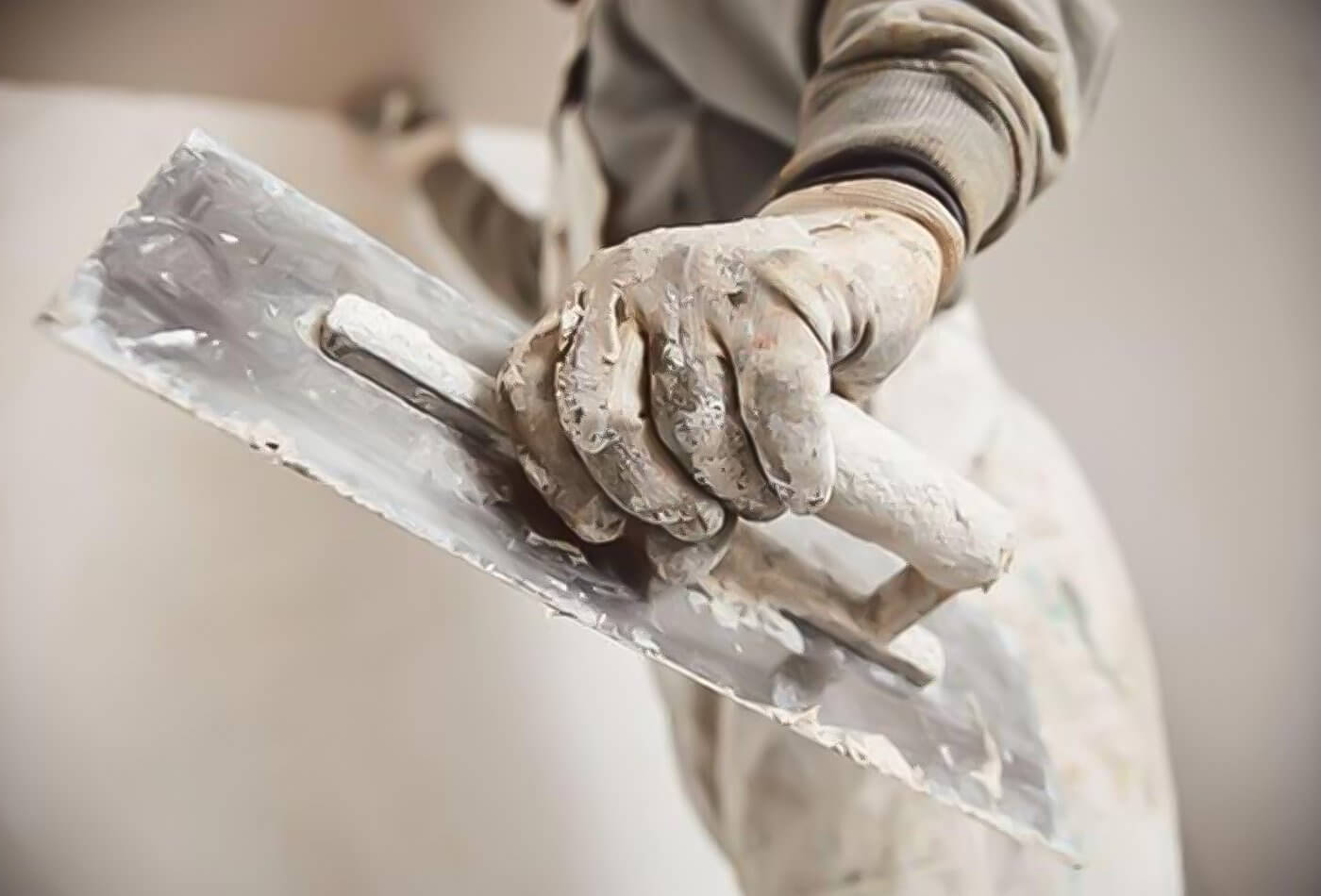
The first step is a primer. It is essential to apply the best suitable primer to seal your plasterboard. Next, fill in the imperfections. Make use of filler to address any gaps or holes. This will help to get the perfect plasterboard. The third step is sanding the surface. You can lightly sand the surface for smoothness. By this, you can get a smooth and shiny surface. Next, apply paint. To apply it evenly, you should use a roller or brush. This offers you an even finish. At last, a second coat. Leave some time; once the first coat is completely dry, then apply a second for depth.
Conclusion
Let's do a quick and fast wrap-up on this exploration of plasterboard and dry lining. Plasterboard and what is meant by drywall lining are the essential factors in modern UK construction. Whether you want to renovate or hire a professional, free platforms like MAI, give you seamless connections between clients and skilled workers. All you need to do is completely understand plasterboard and dry lining. The importance of fire resistance, moisture protection, and soundproofing ensures durable and efficient installations. So, if you struggle at any point or need to get the right UK professionals for plasterboard and dry lining, MAI is there; you can get the most reliable services in plasterboard and dry lining installation in the UK. Change your space to a stunning world!
Frequently Asked Questions and Answers
How Do I Fix Cracks in Plasterboard?
For small cracks, you can use flexible filler and sand smooth. Larger cracks need jointing tape before applying filler, and once dry, sand and repaint. MAI connects you with professionals for expert repairs.
Can I Install Plasterboard Myself?
Yes! Measure, cut, and fix plasterboard to a stud frame or wall. Tape joints, apply joint compound, and sand for a smooth finish. For a flawless result, hire a plasterboard specialist via MAI.
What Plasterboard is Best for Bathrooms?
Make use of moisture-resistant plasterboard to prevent damage from humidity. Standard plasterboard absorbs moisture, leading to mould. Need expert advice? Find specialists through MAI in the UK.