
Table of Contents
- Key Takeaway:
- What is a Natural Stone Countertop?
- Is Natural Stone Suitable for Kitchen Countertops?
- Which Stone is the Best for Kitchen Counters?
- How Often Do You Need to Seal These Natural Stone Kitchen Worktops?
- Does Natural Stone Stain Easily?
- What Countertops Do Chefs Prefer?
- Does Natural Stone Need to Be Sealed?
- Why Professional Chefs Prefer Granite and Quartz Countertops
- Should Your Pressure Wash Natural Stones?
- Can You Put Hot Pans on the Stone Countertops?
- What Happens if You Don't Seal Natural Stone?
- Does Natural Stone Require Maintenance?
- Conclusion:
Key Takeaway:Natural stone kitchen worktops are the epitome of luxury and durability and offer a timeless appeal that transforms any kitchen space into a sophisticated and functional area. These worktops are crafted from various natural stones like Granite, Marble, and Quartzite, which bring their unique elegance. For more information, Call +44 0208 004 3345 or mail info@myproject.ai for support. |
What is a Natural Stone Countertop?
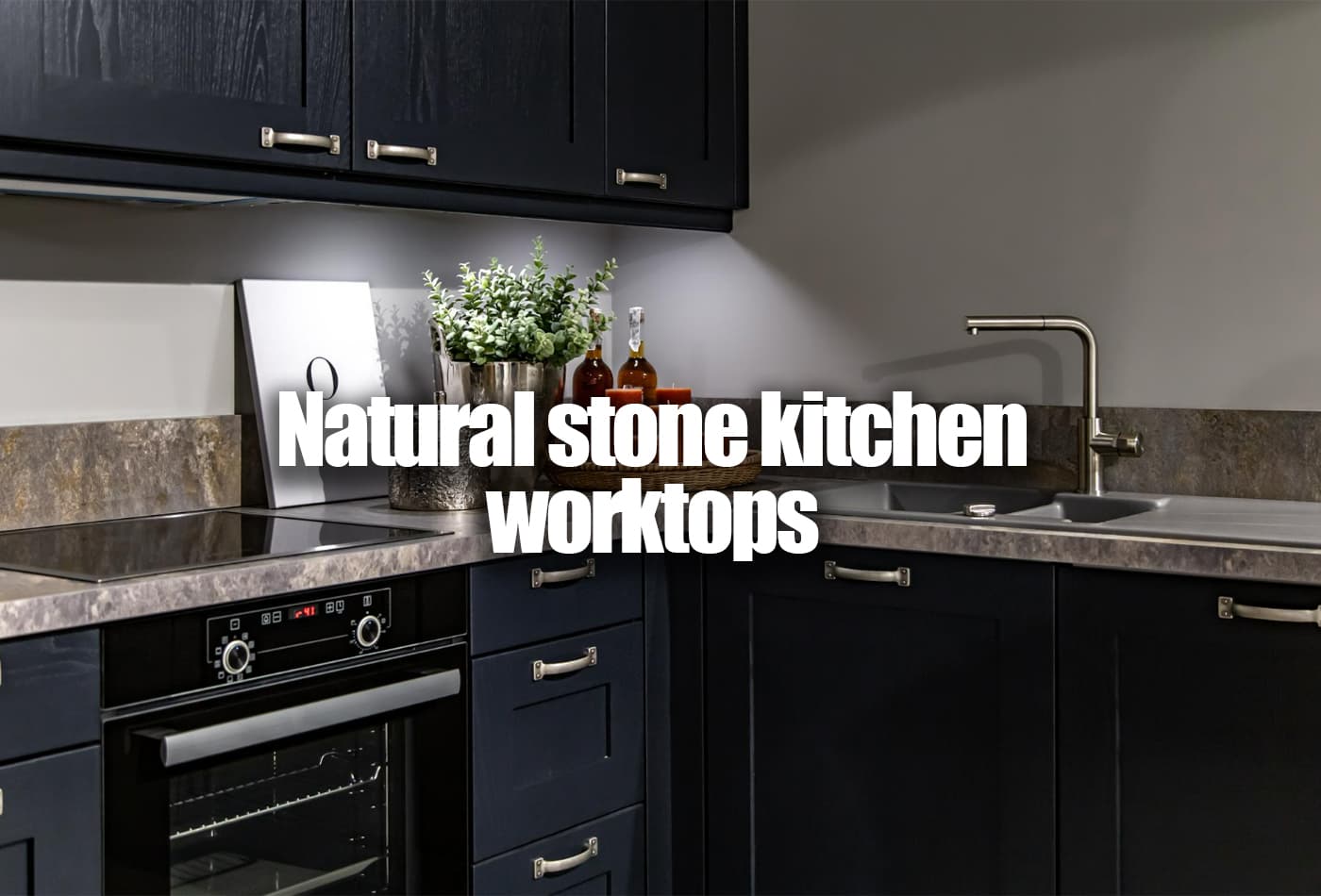
Natural stone kitchen worktops is made in nature with various combinations of extreme temperatures and is made under high pressure. These products have natural processes and stones that are cut by humans and adapted for the use of countertops. These natural stones are quarried rock.
Since these are made from various materials under various conditions, these natural stones vary in appearance, hardness and other characteristics. These natural stones are most commonly used for countertops.
Is Natural Stone Suitable for Kitchen Countertops?

Due to its beauty, durability and versatility, these stone countertops are the most popular choice for kitchens. However, every type of stone slab has different properties, and you will need to choose the best one for your specific needs.
Which Stone is the Best for Kitchen Counters?
Granite is an incredibly durable and weather-resistant stone that can be perfect for kitchen countertops. It is so impressive and robust that it is resistant to scratches and abrasions and has direct heat from pots and pans.
How Often Do You Need to Seal These Natural Stone Kitchen Worktops?
Over some time, these resins and solvents in the natural stone sealer will break down. This means that they need to be reapplied. These depend on the type of stone and its finishes, and these sealants may need to be reapplied every year. Others can be reapplied every three to five years.
Does Natural Stone Stain Easily?

Natural stone kitchen worktops are porous, which makes them prone to stains. It is crucial to the life and the beauty of natural stones that are properly cleaned, maintained, and restored when necessary.
What Countertops Do Chefs Prefer?
Professional chefs need to understand the value of investing in quality materials that can stand the test of time. In this world where precision, hygiene and aesthetics are paramount, these Granite and Quartz countertops emerge as the ideal choices.
Does Natural Stone Need to Be Sealed?
All the stone surfaces should be sealed for maximum protection against the damage. If left unsealed, dirt and water can slowly erode the natural stone kitchen worktops, causing permanent stains and cracks that are hard to remove if left untreated. A natural stone is porous to vary in degrees and should be sealed with penetrating the sealant to repel the moisture from within and prevent the stains while allowing vapours to escape.
Unsealed stone floors will soak up the moisture and spilt liquids that cause dirt and other debris to become embedded in the small cracks, resulting in dull and unattractive floors. Sealing will preserve the natural glow and the beautiful appearance of the natural stone floors for longer.
Adequately sealed stone floors are a great way to protect your investment, as they will keep your home looking great for years to come. It can add value to your home and is a great selling point when it comes to selling.
Why Professional Chefs Prefer Granite and Quartz Countertops

Durability and Longevity
Granite is a natural stone renowned for its toughness and resists scratches, heat, and dents, making it ideal for the high-traffic environment of professional kitchens. These similar Quartz are engineered stones that offer impressive durability. It is a blend of natural quartz and resin that can be combined to create a surface that withstands the rigours of daily kitchen use. Resilience means chefs can work on these countertops for years without worrying about the damage.
Aesthetics and Versatility
Professional chefs don't just cook as they create culinary experiences—these aesthetics of the workspace matter. Granite offers a unique, natural look with varied patterns and colours, while quartz comes in a broader range of colours and patterns that can be customised to fit any kitchen design. This versatility ensures that chefs can blend functionality with personal or brand aesthetics.
Heat Resistance
In your kitchens, stovetops and ovens are constantly in use, and the countertops must withstand the high temperatures. Granite is naturally heat resistant, allowing chefs to place a hot pan directly on the surface without any damage. Quartz, which is slightly less heat resistant, still holds up well against moderate temperatures, making it a practical choice for most kitchen tasks.
Cost Effectiveness
While the initial investment in Granite and Quartz may be higher than some alternatives, their durability and longevity make them cost-effective in the long run. These professional chefs understand the value of investing in quality materials that stand for time.
Should Your Pressure Wash Natural Stones?
You may have to consider pressure washing, a fast and easy way to clean the surface. When it comes to stone and masonry, pressure washing can cause damage. Anyone purchasing a pressure washer can claim to be qualified to be a clean exterior stone and masonry.
Can You Put Hot Pans on the Stone Countertops?
For homeowners who don't need to worry about damaging their countertops with everyday use, Granite is pretty heat resistant. A hot pan should be placed on a well-maintained granite slab that will not cause it to crack or weaken. Just remember that repeatedly placing a boiling pan on the same spot may cause granite to discolour.
What Happens if You Don't Seal Natural Stone?
The stone that is not sealed can quickly become stained by food and liquids; since these natural sones are mostly porous, food and water can seep deep into your stone in minutes. This is why Marble bathroom countertops and areas around your kitchen sink and the stove should be sealed!
Does Natural Stone Require Maintenance?
Protecting your stone with a sealer and keeping it clean will help keep it in great shape. All the stones can absorb spills and stains at any time if they are not treated correctly. Many foods, chemicals, and drinks contain acids that can harm or discolour the stone surfaces.
Conclusion:
To conclude, natural stone kitchen worktops are an investment in both styles and practically; their unmatched durability ensures they remain a central feature in your kitchen for years to come, while their natural beauty enhances your space's overall design and ambience.