
Table of Contents
- Step 1: Plumbing Career – Know What a Plumber Does
- Step 2: Plumbing Training – School Requirements
- Step 3: Choose Your Route
- Step 4: Gain Real Experience
- Step 5: Get Qualified
- Step 6: Think About Costs
- Step 7: Tools of the Trade: Plumbing UK
- Step 8: Build Your Career
- Why Plumbing Is a Smart Career?
- Final Thoughts
- Frequently Asked Questions and Answers
Key Takeaway: People need plumbers. Homes need plumbers. Hotels need plumbers. Even plumbers sometimes need plumbers. That’s how important the trade is. So, if you’re asking “how to become a plumber”, you’re already on the right track. But don’t expect a magic button. It takes steps. It takes time. And sometimes it takes patience with very leaky pipes.
Let’s walk through it. Step by step. No fluff.
Do You Need a Plumber? Post Your Project Here
Step 1: Plumbing Career – Know What a Plumber Does
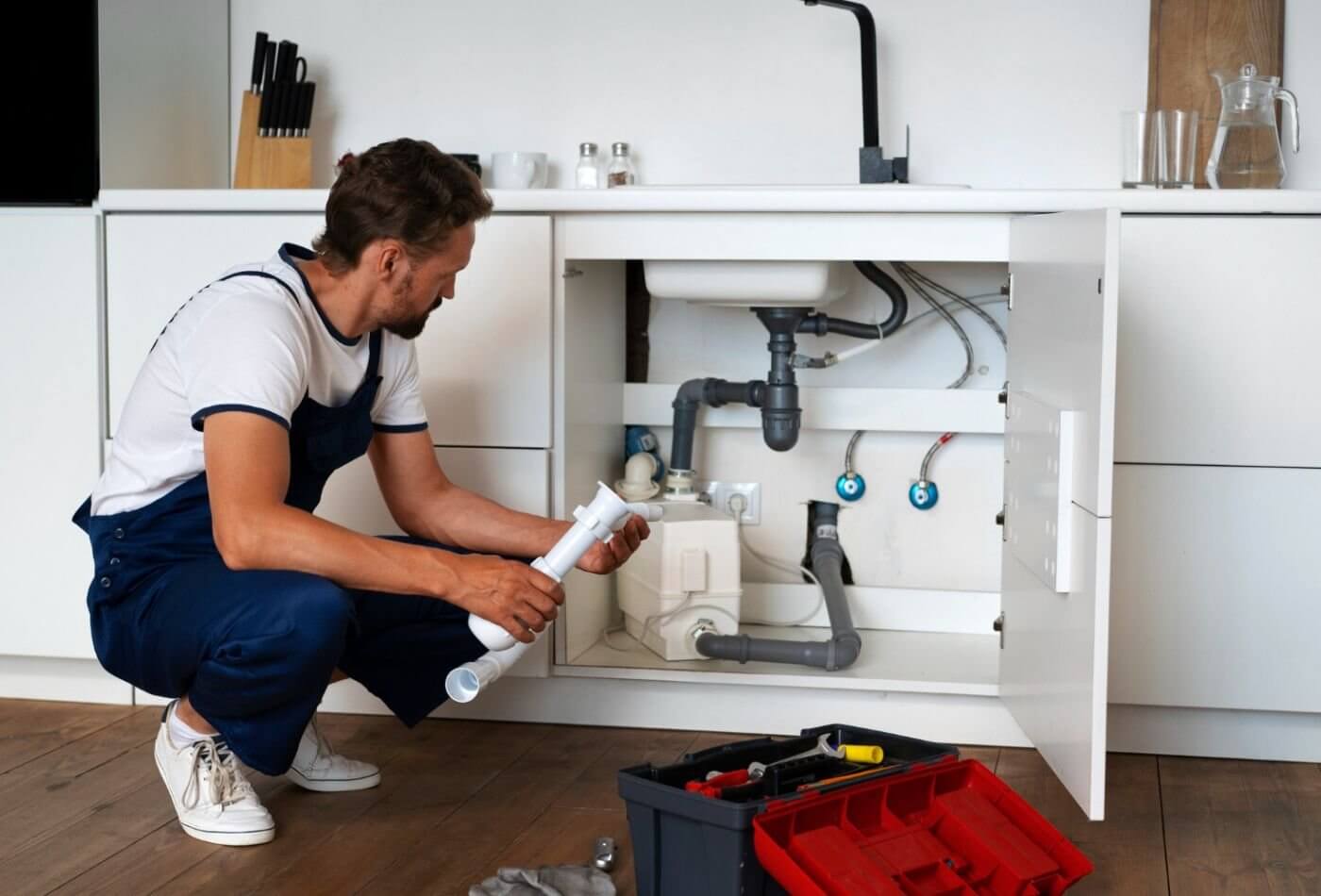
A plumber fixes leaks. A plumber installs showers, sinks, dishwashers, and toilets. A plumber also deals with heating systems, hot water tanks, and gas-safe work if trained.
It’s not just about fixing. It’s about prevention. Stopping floods before they happen. Saving homes before walls get damp.
So if you love solving problems and don’t mind wet shoes… you’re in the right trade.
What Do Plumbers Actually Do?
As a plumber, these are how your regular tasks will be:
Fix leaks.
Install showers.
Unblock drains.
Fit boilers.
Repair toilets.
Every day is different. Some days are easy. Some are chaotic.
Yes, you’ll get wet. Yes, you’ll get dirty. Yes, you’ll laugh about it later.
Step 2: Plumbing Training – School Requirements
How to become a plumber? What are the plumber qualifications needed in the UK?
Most plumbers in the UK start with GCSEs. English. Maths. Science. Nothing fancy. You don’t need straight A’s. You just need passes.
Why? Because plumbing is practical. It’s about using your hands. But basic maths helps when you measure pipes. And science helps when you deal with pressure and heating.
If school wasn’t your strong point, don’t worry. Plumbing is about learning by doing.
Register as a Plumbing Contractor
Read Next: How Long Does It Take to Become a Plumber?
Step 3: Choose Your Route
Here’s where people get stuck. “Do I need university?” No. You don’t.
You need one of three main routes:
Plumbing Apprenticeship – Learn on the job. Get paid. Work with a qualified plumber. Best choice if you want hands-on. On MAI, you get this opportunity to work as an intern under pro plumbers for various projects. Register today.
College Course (NVQ Level 2 or 3 in Plumbing & Heating) – Study plumbing basics, then work placements. Choose the best plumbing courses in the UK.
Private Training Course – Faster, but often more expensive. Good if you’re switching careers.
Most people go with apprenticeship or NVQ. That’s the proven route. If you are still asking how to become a plumber, call us for guidance at +44 0208 004 3345 or email info@myproject.ai.
Step 4: Gain Real Experience
Reading books won’t fix a leak. Watching YouTube won’t unblock a drain. You need to get your hands dirty.
During training, you’ll work alongside professionals. You’ll cut pipes. You’ll solder joints. You’ll deal with your first blocked toilet (not glamorous, but necessary).
Experience is what makes you employable.
Step 5: Get Qualified
In the UK, the key qualification is plumbing NVQ Level 2 in Plumbing and Heating. Then, if you want to specialise, you go for NVQ Level 3.
With NVQ 2, you can work under supervision. With NVQ 3, you can run bigger jobs, supervise others, and even set up your own business.
If you want to work as a gas engineer, you’ll also need Gas Safe registration. That’s legal. No shortcut there.
Step 6: Think About Costs
Training costs vary. Apprenticeships are free (and you get paid). Plumbing college UK courses can cost a few thousand pounds. Private courses can go even higher.
But think of it as an investment. Plumbers in the UK can earn £25,000–£40,000 a year. Experienced plumbers can earn even more.
So the cost pays itself back.
Read Next: How Much Does A Plumber Earn? UK 2025 Salary Insights
Step 7: Tools of the Trade: Plumbing UK
A plumber is only as good as their tools. Some basics you’ll need:
Pipe cutters
Wrenches
Blowtorch
Tape measure
Safety gear
At the start, employers often provide tools. Later, you’ll build your own kit. And yes, plumbers love their toolbags.
Want leads sent to your inbox? Register on MAI as a plumbing professional to get FREE LEADS.
Step 8: Build Your Career
Once you’re qualified, you’ve got choices.
Work for a company – steady pay, less stress with admin.
Be self-employed - freedom to pick jobs, but yes, paperwork too
Join construction firms – large-scale projects, bigger teams.
Specialise – bathrooms, heating, or gas (with extra training).
Some plumbers stick to domestic work (homes) and are called domestic plumbers. Others go into commercial plumbing (businesses, offices, hotels) and are called commercial plumbers.
Many dream of becoming self-employed. The good part? You’re your own boss. The bad part? You’re also your own accountant.
Plumbing is flexible. Start small, then grow. One job at a time. One client at a time. Soon, you can run your own team.
How to become a plumber that gets free leads nationwide? Register on MAI.
Why Plumbing Is a Smart Career?
Plumbing is never going away. AI can’t fix a leaking toilet. Robots can’t unblock your sink. People will always need water. Always.
It’s skilled work. It’s respected work. And if you become good at it, you’ll never be short of jobs.
List Yourself as a Professional Plumber Today
Read Next: UK Plumbing and Heating Jobs | Career Scope & Skill Shortage
Skills You Need to Become a Plumber
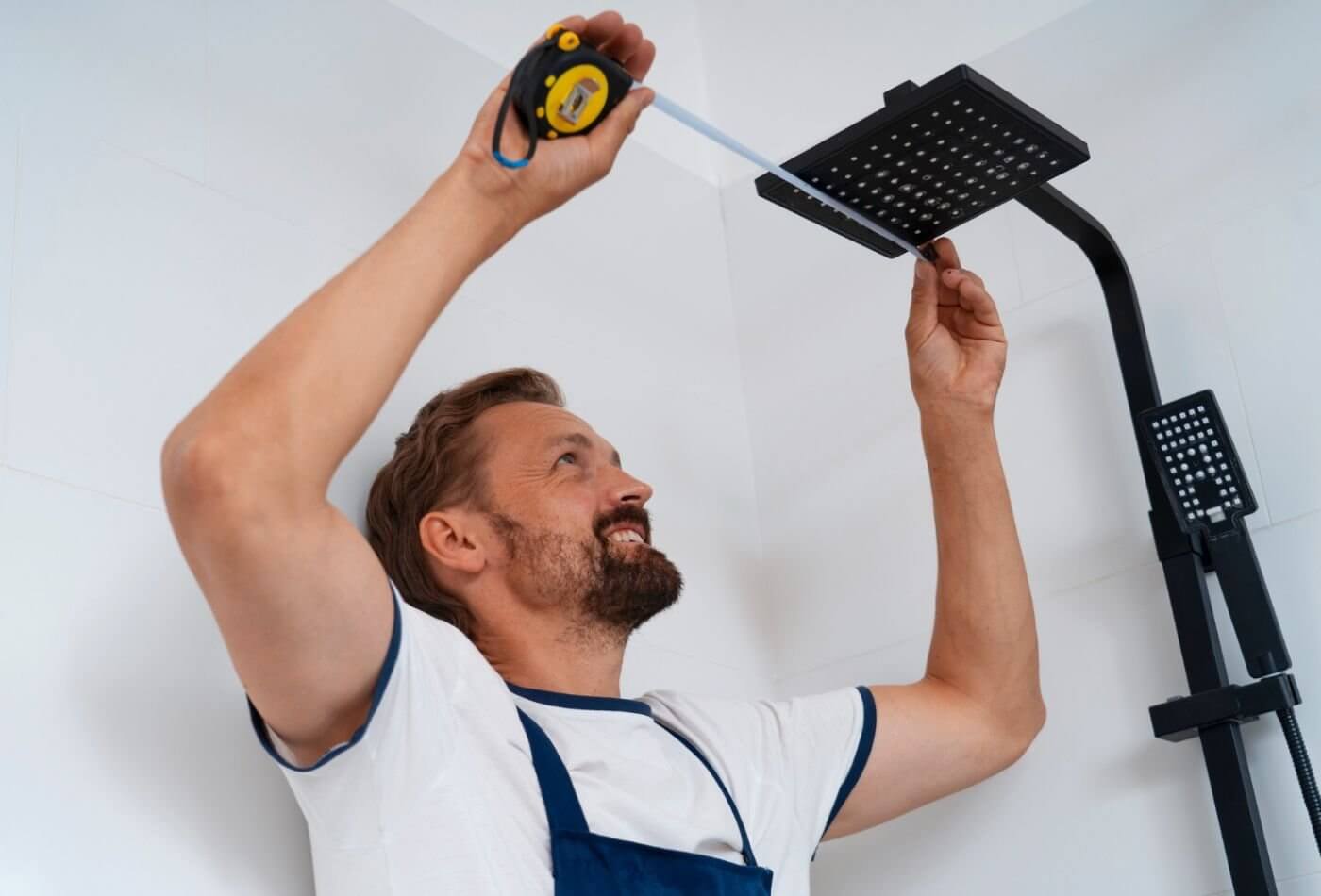
It is quite easy, actually, to become a plumber. There are some basic skills; if you're good at them, it gets easier for you:
Good with tools.
Be careful with detail.
Can read instructions.
Can talk to customers.
Can work alone or in teams.
Can climb under sinks without complaining too much.
Some of these skills you learn. Some you just have naturally.
Become a Plumber Apprentice on MAI - work under experts.
Final Thoughts
So, how to become a plumber?
Start with school basics. Pick your training route. Get hands-on. Qualify. Build your career.
Step by step. Leak by leak. Pipe by pipe. That’s how plumbers are made.
And remember: once you’re qualified, you’ll always have work. Because as long as there are homes, there will be leaks. And as long as there are leaks, there will be plumbers.
Register as an intern or Plumber on MAI today and see your career boom with success.
Call +44 0208 004 3345 or email info@myproject.ai for any assistance.
Frequently Asked Questions and Answers
How Long Does It Take To Become A Plumber In The UK?
How to become a plumber or how long does it take to be a plumber? It usually takes 2–4 years and some theory and practical knowledge depending on your route. Apprenticeships are longer; private training is faster.
What Qualifications Do UK Plumbers Need?
UK plumbers mostly have an NVQ Level 2 or 3 in plumbing and heating. Some also gain Gas Safe certification for working with gas systems. It is not too difficult to learn how to become a plumber.
Can I Become A Plumber With No GCSEs?
It’s harder, but not impossible. Some training centres accept mature students without GCSEs. You may just need extra math or English support.
What’s the Average Age of a Plumber in the UK?
Many plumbers start in their 20s. But lots of people switch careers later in life too. There’s no age limit.
How To Be a Part-time Plumber?
Open your account as a Plumber on MAI and accept jobs only when you want to or are available. It is as good as freelancing.
Do Plumbers need to Pay to get Leads on MAI?
No, currently plumbers can register as a trader on MAI for free. You get free leads year-round, according to your service location. Hurry, this is a limited offer.
Do UK Plumbers Earn Good Money?
Yes. Starting pay can feel low. But once qualified, plumber salaries in the UK rise fast. Self-employed plumbers often earn the most.