

Table of Contents
- Why is a Home Renovation Checklist Important?
- Renovation Planner Guide to Avoid Mistakes
- Understanding UK Building Regulations & Party Wall Agreements
- Party Wall Agreements: When Are They Needed?
- Step-by-Step Home Renovation Checklist | UK
- House Renovation Planner in Detail
- Final Thoughts
- Frequently Asked Questions and Answers
Key Takeaway: A comprehensive house renovation checklist ensures you don’t overlook anything, from budget and surveys to snagging and timelines. Start by defining your vision and setting a realistic budget (including 10–20% contingency), then plan trades, inspections, permits, and materials. Work systematically room by room, and use this house improvement checklist to stay on track, avoid costly delays, and keep your UK renovation running smoothly.
Why is a Home Renovation Checklist Important?
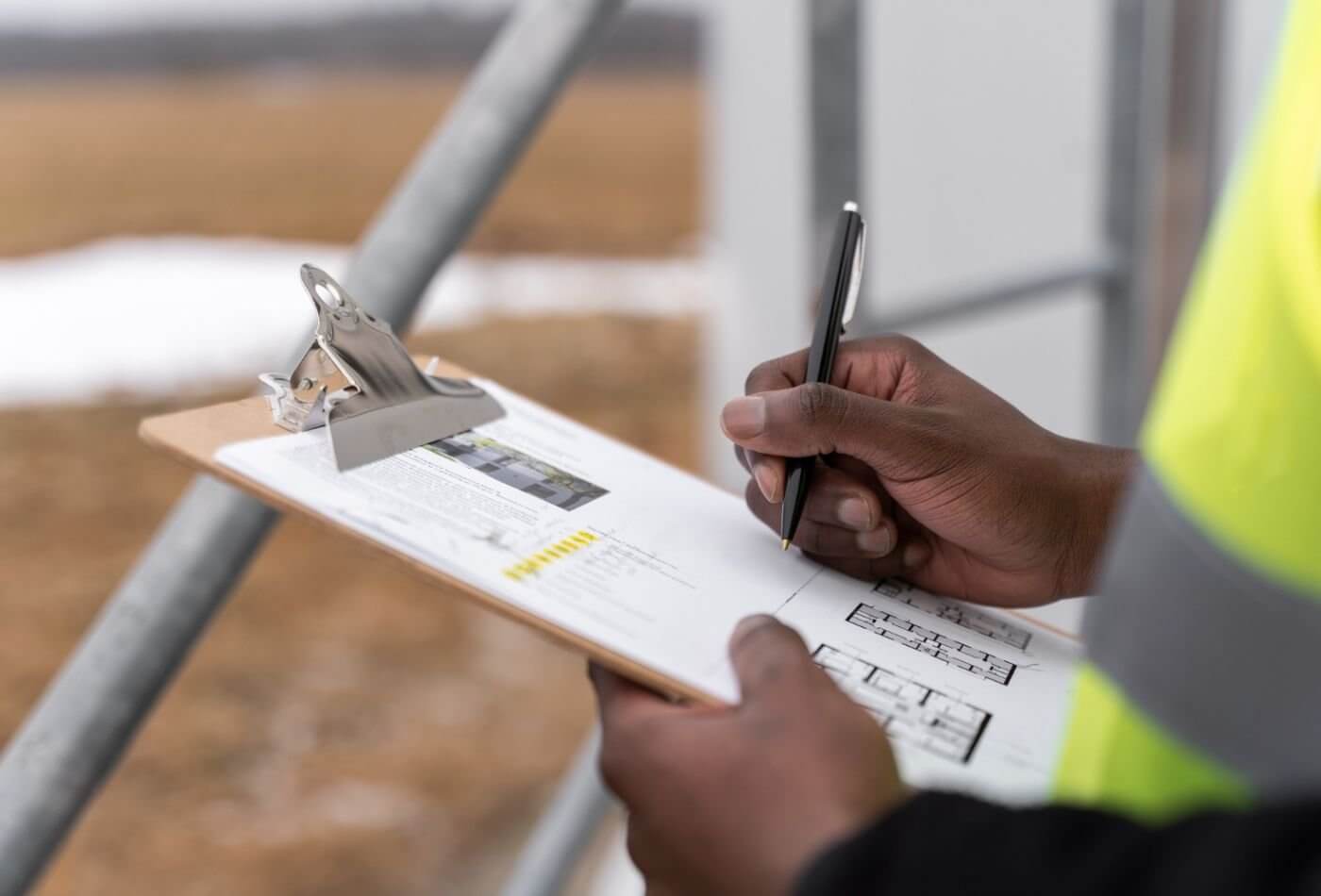
A home renovation without a plan can lead to budget overruns, delays, and avoidable stress. A checklist helps you maintain order, timeline, and quality, especially in the UK, where regulations, trades, and weather all impact your progress.
Renovation Planner Guide to Avoid Mistakes
Set budget: Include contingency + temporary living: Include the full scope of costs, labour, materials and permits, and don’t forget a 10–20% contingency for surprises. If you’ll need to move out, factor in temporary accommodation.
Survey: Building, drainage, structural: A full building survey helps you catch issues early, like damp, outdated plumbing, or structural concerns. For major renovations, consider a drainage or structural engineer survey too.
Timeline: Create clear start/completion dates: Create a clear project schedule with estimated start and completion dates for each phase. Use a Gantt chart or spreadsheet to track progress.
Trades: Hire experienced and vetted professionals early—delays often stem from last-minute contractor bookings. Aim for tradespeople with relevant UK certifications in your house renovation checklist (e.g., NICEIC, Gas Safe).
Materials: Order with delivery aligned to schedule: Pre-order key materials (tiles, doors, flooring) and coordinate delivery dates to align with your schedule. This prevents costly delays and storage issues.
Snagging: Inspect and record defects: Once work is “complete”, do a walkthrough inspection and create a snag list of defects or unfinished tasks (e.g., paint smudges, loose handles).
Handover: Ensure paperwork and warranties are complete: Don’t sign off until all paperwork, certificates, and warranties are received, these are essential for resale or insurance later.
Understanding UK Building Regulations & Party Wall Agreements
Even if your renovation doesn’t require planning permission, you must still comply with building regulations. These legal standards ensure that your renovation meets essential safety and performance criteria, including:
Structural integrity
Fire safety
Electrical wiring & plumbing
Insulation and ventilation
You’ll need to notify your local building control department or hire an approved private inspector before starting work. They'll inspect key stages and issue a completion certificate at the end.
Party Wall Agreements: When Are They Needed?
If your renovation work affects a shared wall (commonly in semi-detached or terraced houses), you’re legally required to:
Serve a Party Wall Notice to your neighbour
Wait for their written consent or resolve any dispute via a party wall surveyor.
Common works that trigger this requirement include:
Loft conversions
Side extensions
Excavations near a neighbouring structure
NOTE - Skipping this step could lead to legal delays or liability if damage occurs. Always plan this early in your renovation timeline.
Keep reading this House Renovation Checklist for more valuable tips.
Step-by-Step Home Renovation Checklist | UK
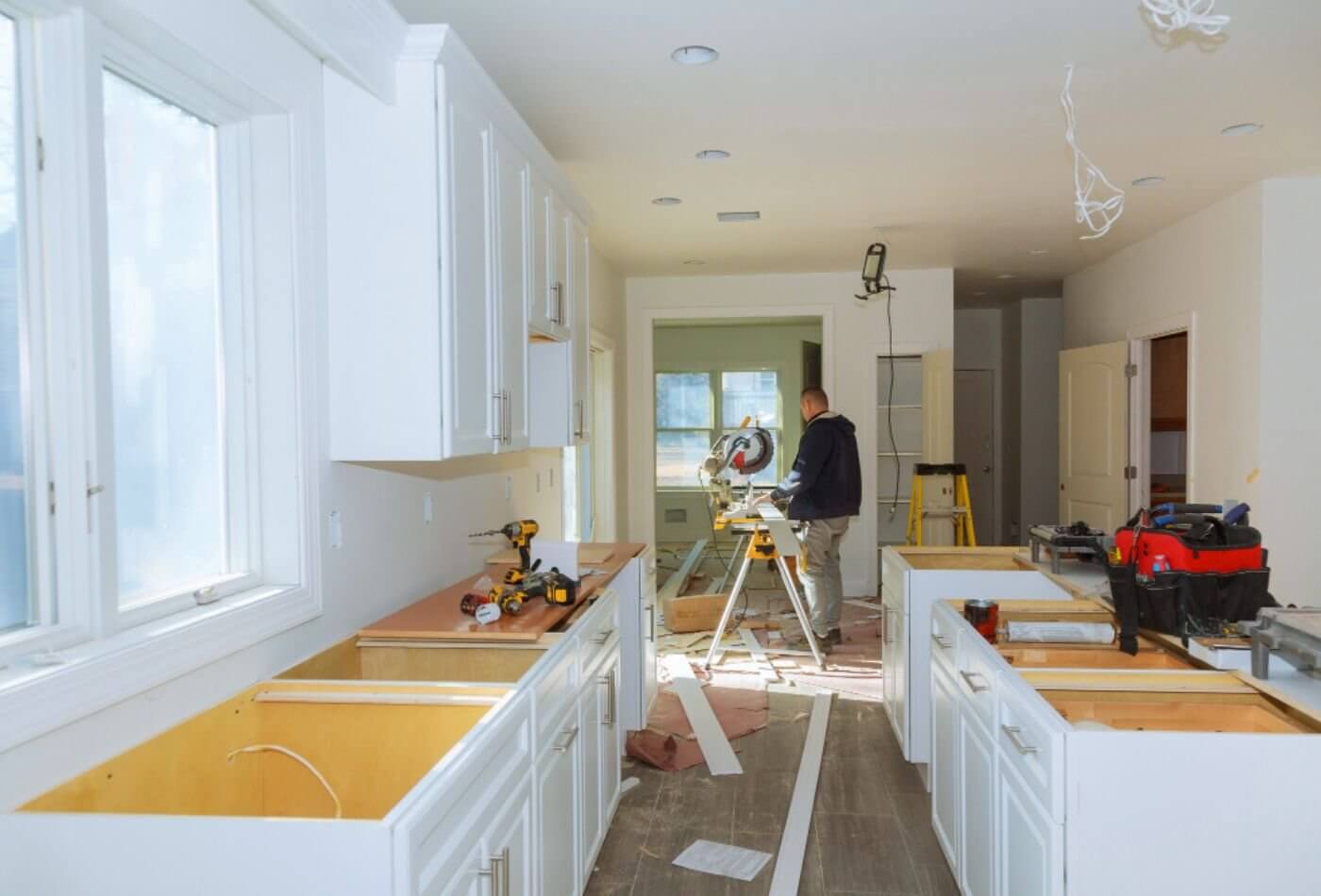
- Define renovation goals - Comfort vs ROI.
- Budget with contingency - Add 10–15% buffer.
- Survey the property - Book a RICS Level 3 survey for older homes.
- Get plans designed - Use an architect/technologist.
- Apply for planning if needed - Check PD rights first.
- Comply with building regs - Notify council or private inspector.
- Hire trusted trades - Check certifications and references.
- Pre-order key materials - Prevent project delays.
- Manage waste ethically - Reuse, recycle where possible.
- Structural work - Prioritise safety.
- Electrical & plumbing - Hire qualified professionals.
- Plastering - Allow full drying time.
- Decorate & tile - Use UK-weather-suited materials.
- Install fixtures - Focus on durability.
- Snag & review - Make final corrections.
- Collect certificates - For compliance and resale.
Use MAI to post your renovation project, compare quotes from verified UK tradespeople, and manage your renovation with confidence.
House Renovation Planner in Detail
1. Start Home Renovation Process With a Clear Goal
Before lifting a hammer or hiring a builder, ask yourself:
Are you renovating for resale, comfort, or rental income?
Do you want to remodel structurally or cosmetically?
Will you live in the property during renovation?
Tip: Aligning your renovation goal with your lifestyle and ROI expectations helps prioritise better.
Related: Home Green Renovation Ideas: Eco Tips for a Sustainable Home
2. Set a Realistic Budget
Budgeting is more than just construction costs.
House renovation checklist Include:
Planning permission fees.
Architect and engineer charges.
Labour and materials.
Contingency (always keep 10–15%).
Temporary accommodation (if needed).
UK Insight: Renovation costs can vary widely, expect anywhere from £1,000–£3,000 per square metre depending on complexity.
3. Get a Property Survey
Especially crucial for older homes in the UK, where you might discover:
Damp issues.
Asbestos.
Structural cracks.
Outdated electricals.
Recommended: RICS Home Survey (Level 2 or 3)
4. Structural & Design Planning
This is where you’ll define:
Wall removals.
Extensions.
Loft or basement conversions (check headroom and structural feasibility first).
Plumbing reroutes.
Room reconfigurations.
Hire an architect or architectural technologist to draw up your plans and suggest efficient space usage compliant with UK Building Regulations.
5. Apply for Planning Permission (If Required)
You might not need planning permission if your work falls under Permitted Development Rights, such as:
Loft conversions under 40m³ (terraced) or 50m³ (detached).
Single-storey rear extensions up to 6 metres.
However, you WILL need permission if:
You’re altering the roof height.
The property is listed or in a conservation area.
You're changing the use of the property (e.g., from single dwelling to HMO).
Where to apply: Local council planning portal
6. Comply with Building Regulations
Even if you don’t need planning permission, you must comply with Building Regulations for safety standards (insulation, fire safety, electrics, etc.).
Also, serve a Party Wall Notice if your home renovation affects shared walls with neighbours.
Hire a Building Control officer, either from the local authority or private sector.
7. Assemble Your Renovation Team
You may need house renovation checklist to assemble renovation team:
Architect or designer.
Structural engineer.
Builder or contractor.
Electrician (NICEIC certified).
Plumber (Gas Safe registered).
Project manager (optional but useful).
Top Tip: Get at least three quotes, check reviews, and request to see recent projects.
Assemble the Best Team Through MAI
8. Source Materials & Fixtures in Advance
Material delays are one of the biggest reasons UK renovations fall behind.
Stock up on:
Flooring.
Tiles.
Kitchen fittings.
Windows and doors.
Lighting.
Ask your contractor if they’ll supply these or if it’s cheaper to purchase directly from UK builders’ merchants or online retailers.
Keep reading this house renovation checklist till the end for more benefits
9. Demolition and Waste Management
Time to clear the site. Ensure you:
Arrange a skip with a licensed waste carrier.
Separate reusable or recyclable materials.
Disconnect utilities safely.
UK Tip: Consider “green” disposal options—some materials can be reused or donated to local builders or charity shops like Reuse Network.
10. Structural Work First
house renovation checklist for structural includes:
Foundation work.
Roof repairs or replacements.
Damp-proofing.
Floor insulation.
External wall alterations.
Always complete structural work before internal finishes to prevent redos or damage.
11. Electrical & Plumbing Installation
Run all wires and pipes while walls are still open.
Get certified experts for:
Fuse box upgrades.
Underfloor heating.
Radiator or boiler changes.
Lighting schemes.
Certificates required:
Electrical Installation Certificate (EIC).
Gas Safety Certificate (CP12).
Hire Qualified Professionals Today
12. Plastering & Surface Prep
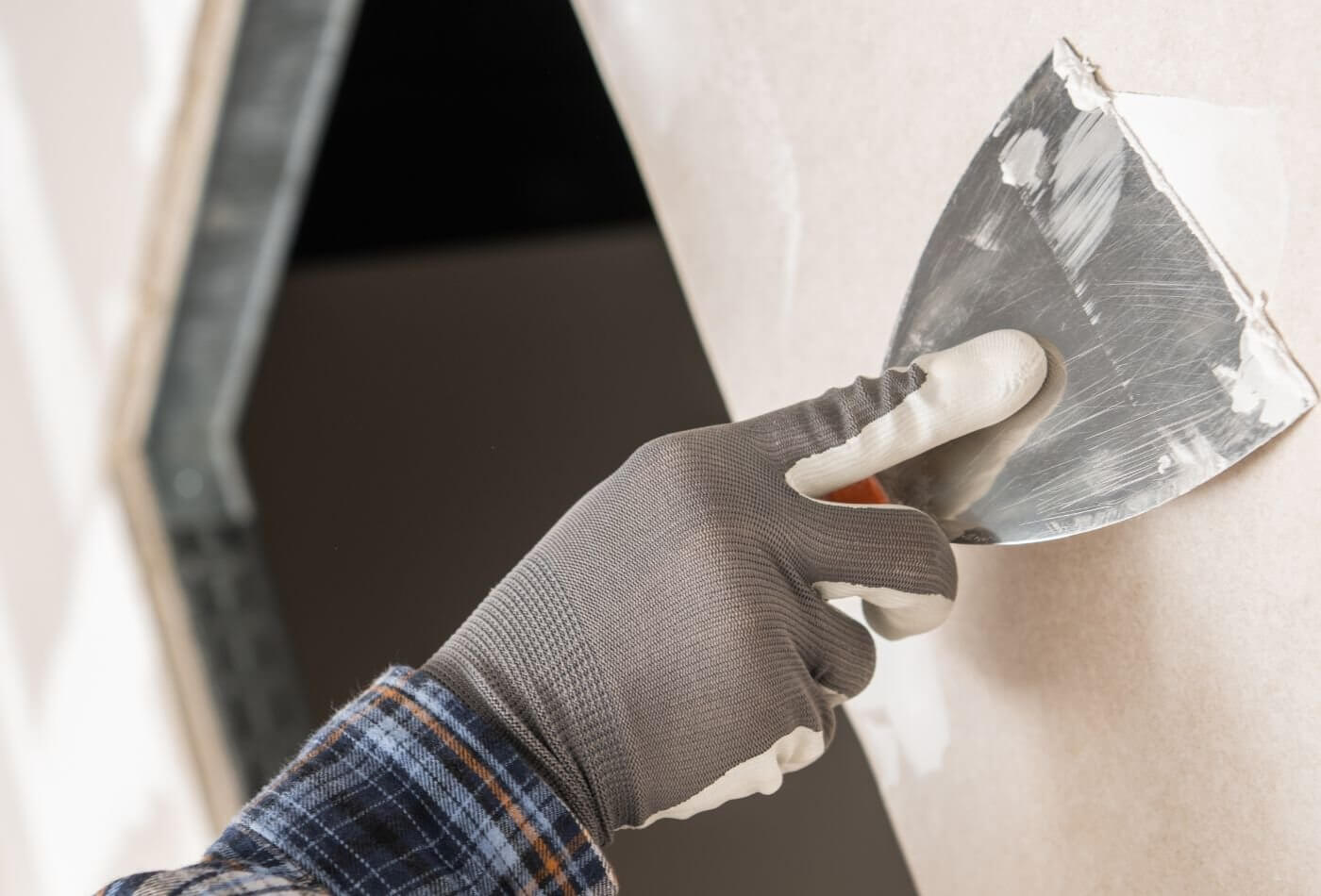
Once the messy bits are over, prep walls and ceilings for painting. This may include:
Skimming plaster.
Wall repairs or lining paper.
Ceiling smoothing.
Drying Time: Allow 3–7 days for plaster to dry before decorating.
13. Painting, Flooring & Tiling
You’re now entering the visual phase of your renovation.
Choose materials suited for UK climates:
Moisture-resistant paint for bathrooms.
Laminate or LVT for easy maintenance.
Non-slip floor tiles in wet areas.
Sustainability tip: Go for FSC-certified wood or eco-friendly paints to align with green building goals.
14. Fixtures, Fittings & Joinery
Install:
Kitchen units and worktops.
Bathroom suites.
Built-in wardrobes or alcove shelving.
Internal doors.
Pro Tip: Get soft-close hinges, water-saving taps, and magnetic door catches for durability and function.
15. Finishing Touches & Final Snagging
Before signing off, walk through the space and check for:
Paint smudges.
Scratched skirtings.
Loose sockets or handles.
Grout gaps.
Poor joinery.
Create a snag list and get it sorted before making the final payment.
16. Get All Certifications & Warranties
Ensure you receive:
Completion certificate (from Building Control).
Electrical and Gas certificates.
Warranty documents for appliances and works - some offer warranties up to 10 years.
Store everything safely; you’ll need them when selling or renting your property later.
Explore Property Improvement Trends in the UK for 2025
Final Thoughts
This house renovation checklist gives you clarity and confidence from day one. Start with your vision, get your finances sorted, schedule wisely, and manage each room methodically. Use Myproject.AI to find and vet trades, manage costs, and stay organised so you can focus on making your dream home a reality.
Ready to start your renovation journey?
Visit Myproject.AI to post your project and get quotes from qualified UK trades.
Or call +44 0208 004 3345 to speak with an expert today.
Frequently Asked Questions and Answers
How Much Does A UK Renovation Cost?
It varies by scale: a kitchen costs £7,000–15,000; bathrooms around £6,000–10,000; full-house could be £50k–£200k+ depending on the finish level.
Do I Need Planning Permission In The UK?
Yes, for extensions, loft conversions, or heritage properties. Some small works fall under permitted development, but always check with your local council. Read this blog for a step-by-step house renovation checklist.
What Order Should I Renovate My Home?
Start with structural work and weatherproofing, followed by services (plumbing/electrics), then finishes (painting, fixtures), and end with snagging. Read this blog for a complete house improvement checklist step by step.
Can I Live In The House During Renovation?
If extensive works are planned, it's often safer and less stressful to arrange temporary accommodation. This should be included in your budget.
What Contingency Should I Allow?
Always budget at least 10–20% contingency for surprises—especially in older or period properties.