
Table of Contents
| Key Takeaway: It's very important to implement well-organised home recycling systems that are crucial for effective waste management and environmental sustainability as well. Notably, choosing the right recycling methods, maintaining clear sorting practices, and staying informed about local guidelines, will thoroughly help to reduce your household’s waste footprint. It's very important to embrace these practices that not only thoroughly help to improve your waste management but also contribute to a more sustainable future. Remember, MAI is always here to provide expert advice and helpful tips for all your home improvement projects. Feel free to call +44 0208 004 3345 or mail MAI (info@myproject.ai). |
Introduction
Home recycling systems are considered an essential component of modern waste management which thoroughly helps households to reduce their environmental footprint and promote sustainability as well. As awareness of environmental issues grows, it is highly notable that many are seeking ways to enhance their home recycling practices. This guide will thoroughly help you to explore recycling systems which generally includes some of the important popular practices, practical tips, and answers to frequently asked questions as well. Read out our household clearance services to recycle your home in an innovative way.
What Are Home Recycling Systems?

Notably, home recycling systems are designed to efficiently sort, store, and manage recyclable materials at home as well. Home recycling systems play a very vital role in reducing waste and it also helps to promote a very sustainable lifestyle. Here are the important aspects of home recycling systems that need to be considered:
Types of Home Recycling Systems
Single-Stream Recycling
Single-stream recycling systems simplify the recycling process by allowing all recyclables to be placed in one bin. This system thoroughly makes it very easy for users but it requires thorough sorting and processing at recycling facilities as well.
Multi-Stream Recycling
Notably, multi-stream recycling systems use separate bins for different recyclable materials, such as paper, plastics, glass, and metals. This method thoroughly helps to enhance recycling efficiency and it also helps to reduce the risk of contamination as well.
Composting Systems
Composting is a type of home recycling system that is specifically optimised for utilising organic waste. It is highly notable that composting systems are used to turn food scraps, yard waste, and other organic materials into nutrient-rich compost which is considered ideal for gardening and reducing landfill waste.
Curbside Collection Services
Many municipalities offer curbside collection services, where residents place recyclables in designated bins for regular pickup and processing as well. This system is very convenient and it also helps to support effective home recycling as well.
How to Set Up an Effective Home Recycling System?

Choose the Right Bins and Containers
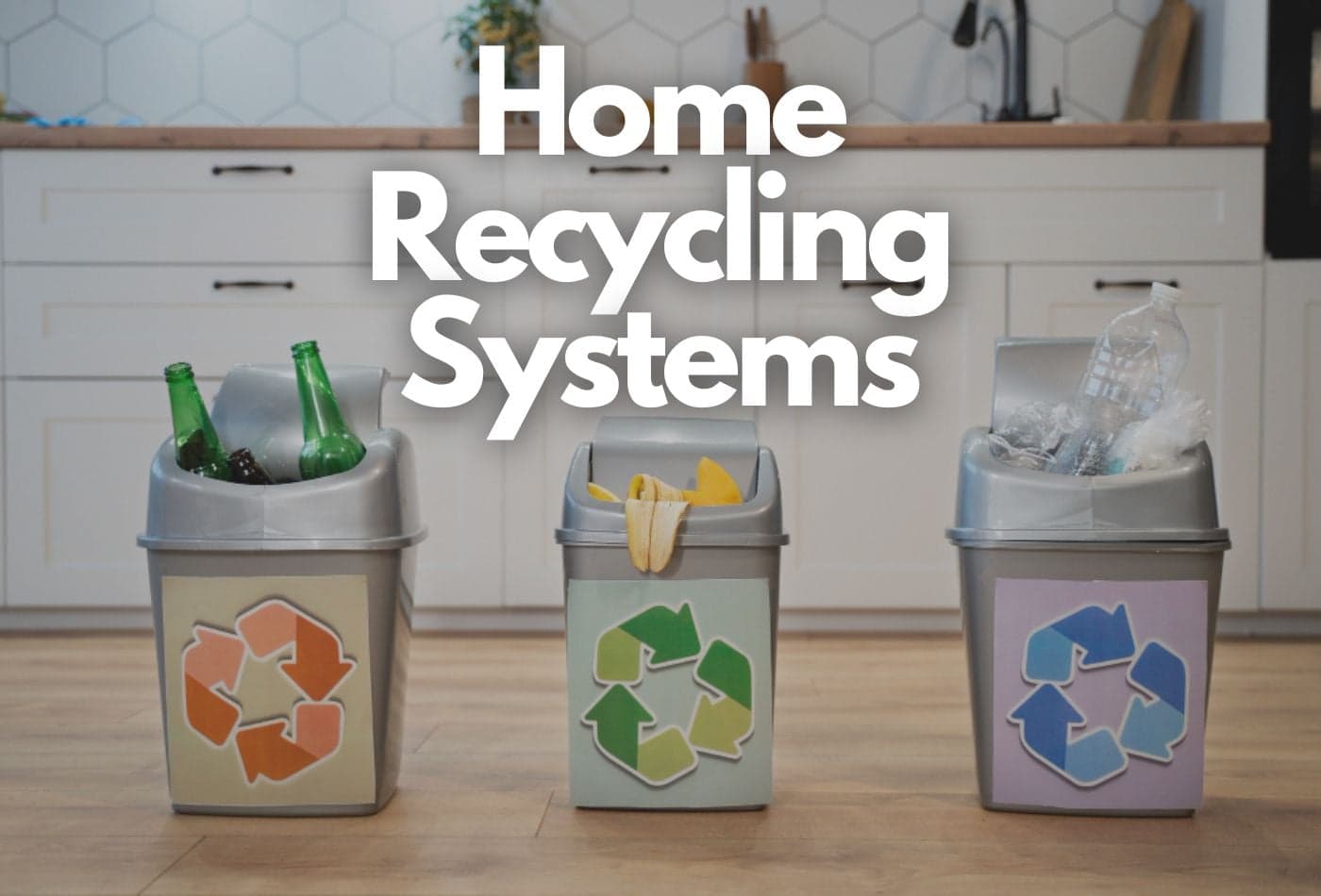
It's very important to select clearly labelled bins for different types of recyclables. Multi-compartment bins or colour-coded containers can thoroughly help to streamline your home recycling system, making sorting easier and more efficient.
Educate Your Household
You need to communicate with your households and it’s your important role to ensure that they understand recycling techniques. Education is considered a very important key to maintaining an effective home recycling system and it also helps to prevent contamination of recyclable materials as well.
Implement a Sorting System
It's very important to develop a routine for sorting recyclables as you dispose of them. Notably, consistent sorting practices are considered as very essential for an effective home recycling system and it also helps to reduce the time needed for sorting later.
Regularly Clean and Maintain Bins
Read out our home cleaning techniques to make your home very neat and tidy. Also, read out our DIY quartz countertop cleaner techniques to make your home very neat and tidy. You need to keep recycling bins clean and free from odours. Regular maintenance is very crucial for an effective home recycling system and it also helps to prevent hygiene issues and unpleasant smells as well.
Stay Informed About Local Guidelines
It is highly notable that recycling guidelines can vary by location. So, it's very important to stay updated on your local recycling program’s requirements and adjust your home recycling system to comply with local standards and regulations.
Why Are Home Recycling Systems Important?

Reduces Waste and Landfill Use
Effective recycling systems thoroughly help to decrease the volume of waste sent to landfills. If you can recycle more materials, then it's very easy for you to reduce environmental pollution and conserve valuable landfill space.
Conserves Resources and Energy
Some of the important recycling materials such as paper, glass, and metals. It's very important to optimise home recycling systems thoroughly to conserve natural resources and it also helps to reduce the energy needed to produce new products.
Promotes Sustainable Living
You need to adopt some of the important and potential home recycling systems that encourage sustainable practices and environmental responsibility as well. It's very important to recycle regularly which can thoroughly help to contribute to a culture of sustainability and inspire others to follow suit.
Saves Money
You need to implement very effective home recycling systems that can lower waste disposal costs and also help to reduce the need for new raw materials as well. This can also lead to financial savings for both households and communities.
Conclusion
Home recycling systems are considered as very essential for managing waste and fostering sustainability. Your important role is to understand the different types of systems, setting up an effective recycling process, and staying informed. If you follow the suggested solutions, then it will be very easy for you to reduce your environmental impact. For more tips on other home maintenance advice, you need to stay tuned to our blogs.
Call to Action
Just rely on MAI for free registration, perfect tradespeople, budget-friendly project completion, and secure payment options. Our DIY guide covers everything from preparation to finishing touches which will help you to explore a stunning and long-lasting result as well. Transform your home into a vibrant and inspiring space today with MAI! Join MAI for free!
Frequently Asked Questions And Answers:
1. What Materials Are Typically Recyclable at Home?
Some of the commonly recyclable materials include paper, cardboard, glass, plastics, and metals. You need to check local guidelines to confirm which materials are accepted in your area’s home recycling system.
2. How Can I Prevent Contamination in My Home Recycling System?
To avoid contamination, it's very important to rinse out containers to remove food residue and avoid placing non-recyclable items in your bins. Proper sorting and cleaning are considered very crucial for maintaining an effective home recycling system.
3. Can I Recycle Plastic Bags and Other Flexible Plastics at Home?
Plastic bags and flexible plastics are often not accepted in curbside recycling programs. Instead, take them to designated drop-off locations or consider using reusable alternatives.
Try MAI for free today❤️!