

Key Takeaway:Improving Home air quality improvement is essential for creating a healthy and comfortable living environment. Many assume that enhancing air quality requires a significant investment, but that's not always true. With the right approach and affordable solutions, you can achieve cleaner, fresher air in your home without breaking the bank. This guide will explore budget-friendly strategies and the role of MAI ventilation systems in attaining optimal air quality. |
Understanding the Importance of Air Quality
Before diving into budget-friendly solutions, it’s essential to understand why air quality is crucial. Poor indoor air quality can lead to various health issues, including respiratory problems, allergies, and discomfort. Pollutants such as dust, mould, pet dander, and volatile organic compounds (VOCs) can accumulate in your home, impacting your well-being and quality of life.
Home air quality improvement not only helps prevent problems but also enhances comfort. Proper ventilation and air filtration create a more pleasant living environment, reducing stuffiness and ensuring the air you breathe is clean and refreshing.
Sign up to hire an official expert team to install a ventilating system in your homes to improve air quality.
1. Assessing Your Current Air Quality
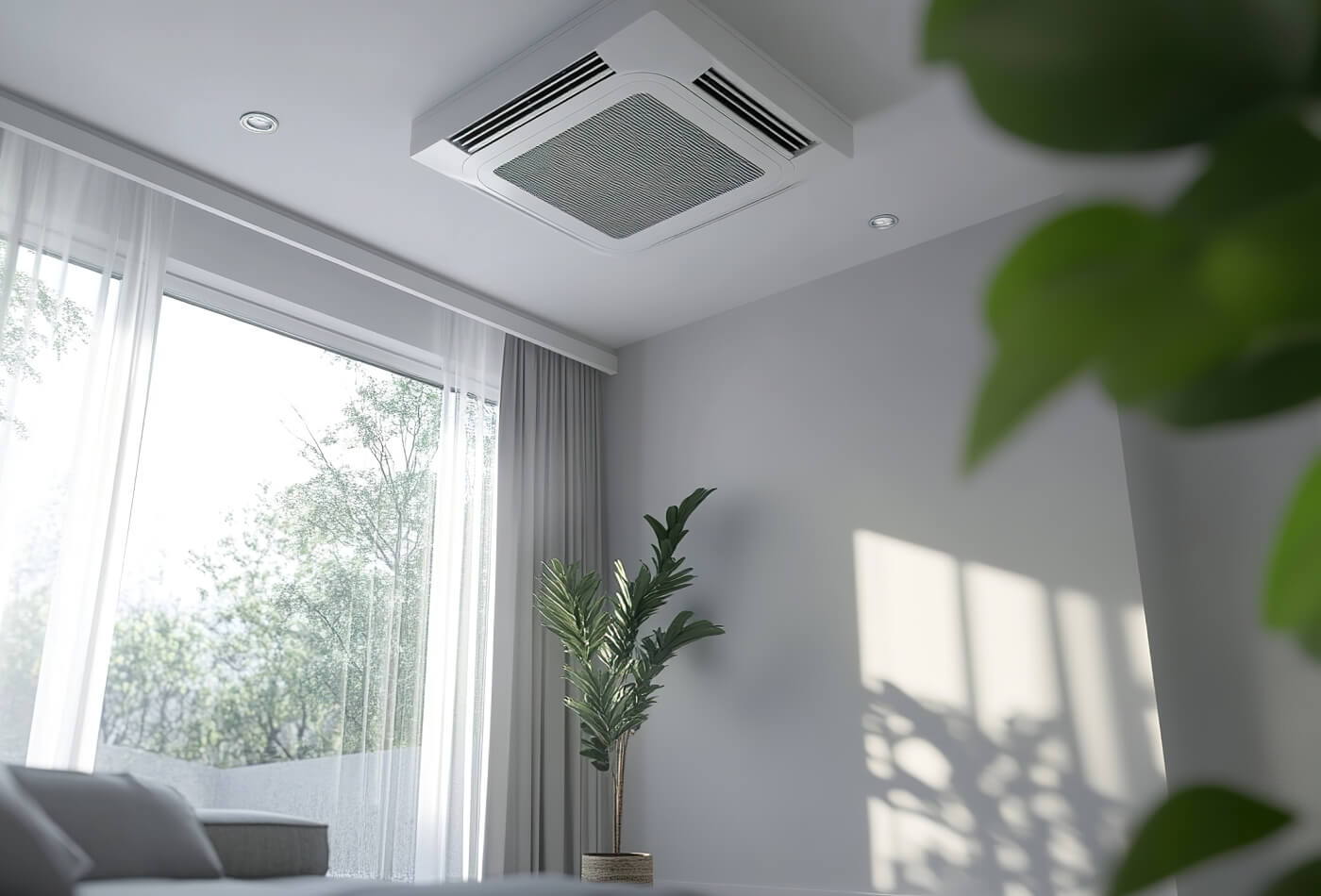
The first step in improving indoor air quality is to assess the current state of your home air quality improvement. You can start by checking for common indoor air pollutants and identifying areas where improvements are needed. Some common signs of poor air quality include:
Excessive Dust: Frequent dust buildup on surfaces and in vents.
Mould Growth: Visible mould on walls, ceilings, or around windows.
Musty Odours: Unpleasant smells that indicate moisture or mould issues.
Allergy Symptoms: Persistent sneezing, coughing, or itchy eyes.
By addressing these issues, you might take targeted steps to home air quality improvement and create a healthier living space.
2. Affordable Air Purification Solutions
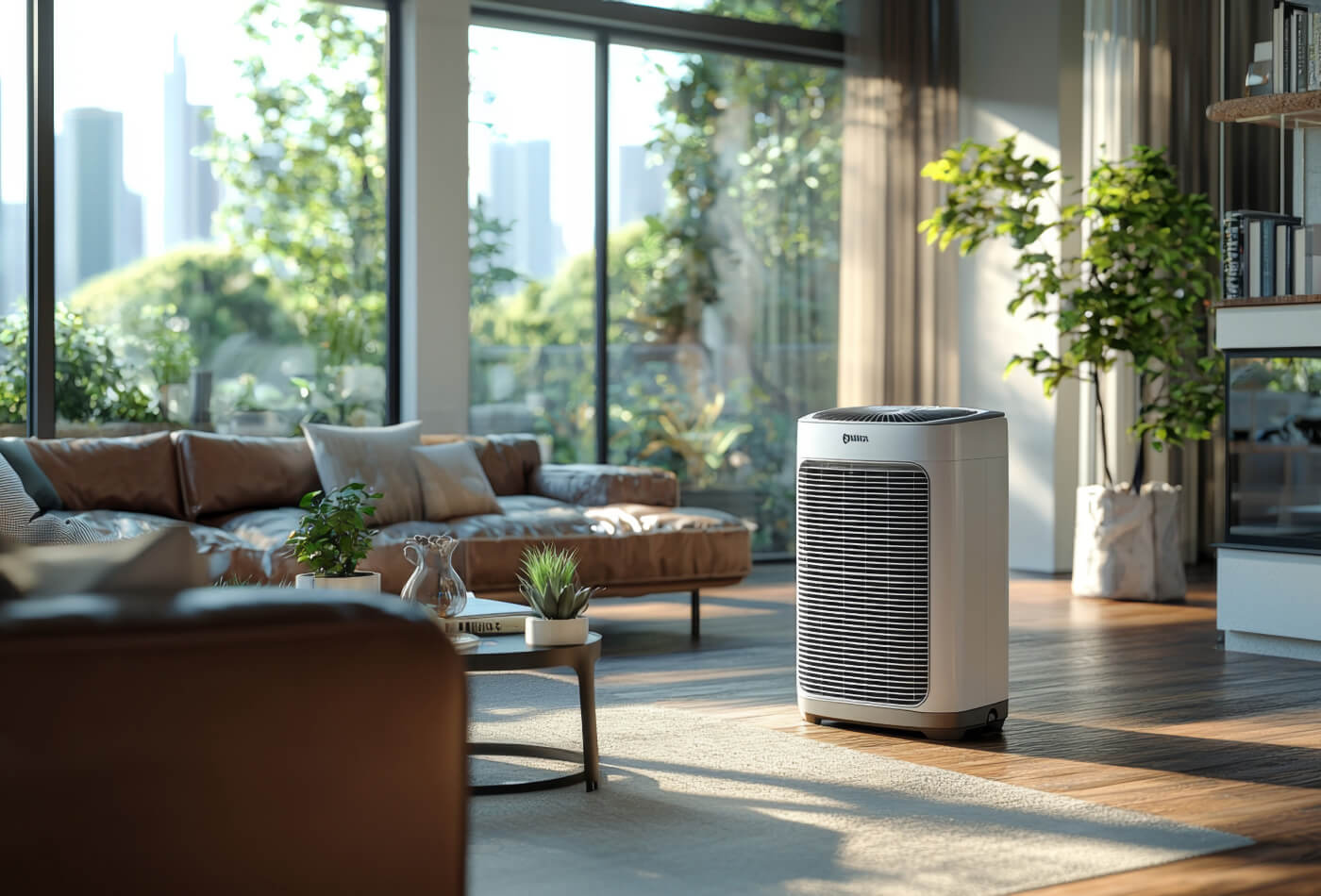
Air purifiers are a popular solution for improving indoor air quality. While high-end models can be expensive, there are budget-friendly options that provide effective filtration. When selecting an air purifier, consider the following factors:
HEPA Filters: High-efficiency particulate Air (HEPA) filters capture small particles like dust, pollen, and pet dander. Look for air purifiers with genuine HEPA filters for the best performance.
Activated Carbon Filters: These filters help remove odours and VOCs, improving air quality.
Room Size: Choose an air purifier that is suitable for the size of the room where it will be used.
Affordable air purifiers are available from various brands, and you can find models that fit different room sizes and budgets. Regular maintenance, such as cleaning and replacing filters as needed, will ensure the air purifier continues operating effectively.
3. Enhancing Ventilation with MAI Systems
Proper ventilation is a critical component of improving indoor air quality. It helps remove stale air, reduce moisture levels, and bring fresh air from outside. MAI home air quality improvement offers an affordable and efficient solution for enhancing home ventilation.
Critical Benefits of MAI Ventilation Systems:
Easy Installation : MAI systems are designed for fitting and installation, allowing you to install ventilation ducts with minimal effort.
Effective Air Exchange: Facilitating the intake and exhaust of air, ensuring a continuous flow of fresh air while removing pollutants.
Energy Efficiency: Modern are energy-efficient, helping to reduce heating and cooling costs while improving air quality.
Installing an home air quality improvement system can enhance air circulation throughout your home, ensuring that fresh air is consistently brought in and stale air is expelled. This improves overall air quality and contributes to a more comfortable living environment.
4. DIY Solutions for Air Quality Improvement
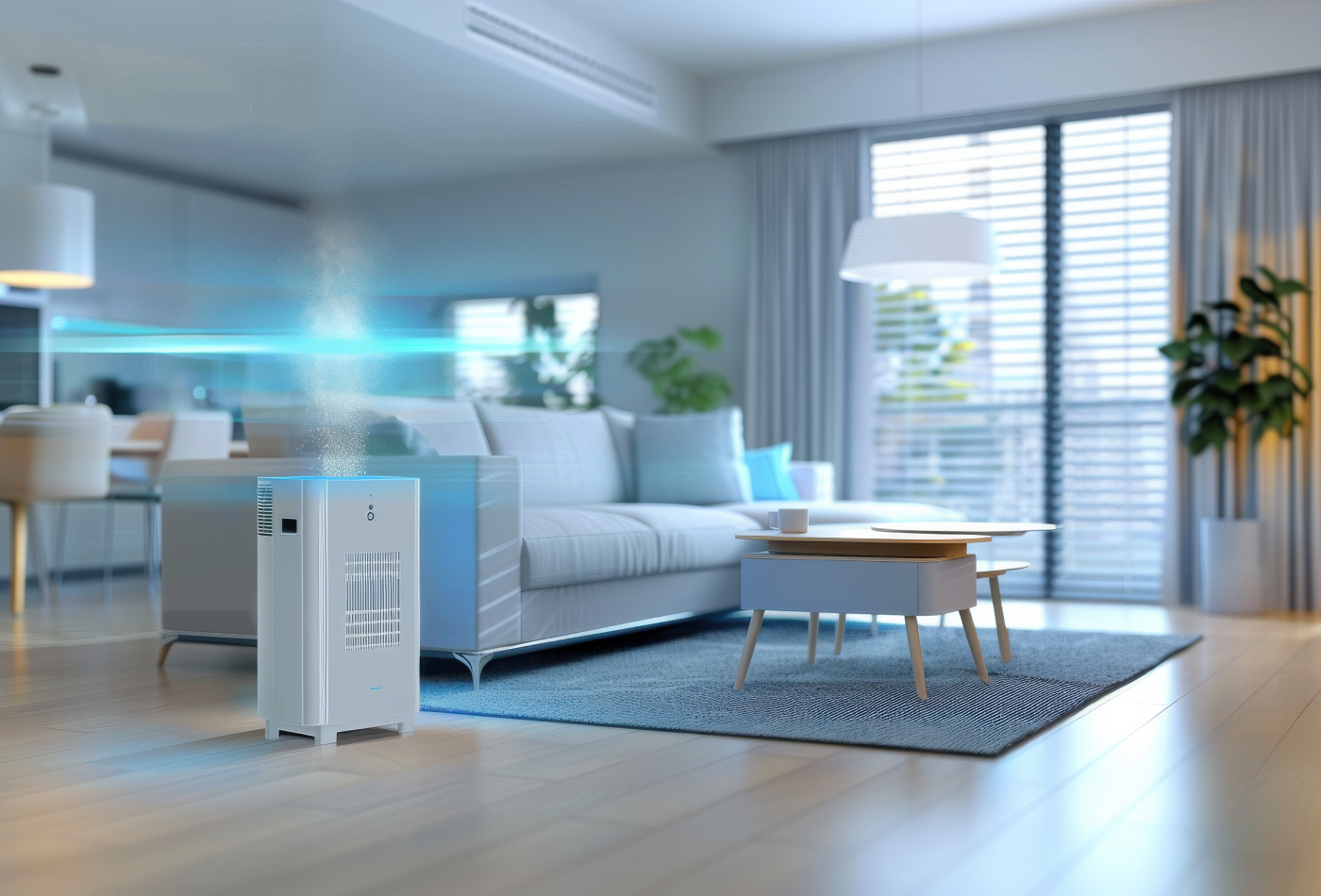
If you're looking for budget-friendly DIY solutions, consider the following tips to home air quality improvement:
Regular Cleaning
Dust and vacuum your home regularly to reduce dust accumulation and allergens. Use a vacuum cleaner with a HEPA filter for better results.
Houseplants
Certain houseplants, such as spider plants, peace lilies, and snake plants, can help improve air quality by absorbing pollutants and releasing oxygen.
Proper Humidity Control
Use a dehumidifier to control moisture levels and prevent mould growth. Keep indoor humidity between 30-50% for optimal comfort.
Ventilation
Open windows and doors when weather permits to allow fresh air to circulate. Use exhaust fans in the kitchen and bathroom to remove moisture and odours.
These simple DIY steps can significantly improve indoor air quality without requiring a significant investment.
5. Maintaining and Monitoring Air Quality
Once you’ve implemented improvements, monitoring and maintaining indoor air quality is essential. Regularly check and replace air filters and air purifiers in your HVAC system to ensure they continue to function effectively. Additionally, consider investing in an air quality monitor to track levels of pollutants and humidity in your home.
Conclusion
Home air quality improvement on a budget is achievable with the right strategies and solutions. You can create a healthier and more comfortable living environment without overspending by assessing your current air quality, using affordable air purification methods, enhancing ventilation with MAI systems, and implementing DIY tips. Proper air quality management enhances your well-being and contributes to a more pleasant and inviting home. Take the steps today to improve indoor air quality and enjoy the benefits of a fresher, healthier living space.
Frequently Asked Questions
How to Improve Air Quality in Home Naturally?
Home air quality improvement naturally by using houseplants, opening windows for ventilation, reducing humidity with a dehumidifier, cleaning regularly, and avoiding chemical-based cleaners to minimise indoor pollutants.
How to Improve Air Quality in the Bedroom?
To improve air quality in the bedroom, use an air purifier with a HEPA filter, open windows for ventilation, and add air-purifying plants like snake plants. Regularly dust and vacuum, wash bedding frequently, and avoid chemical-based cleaners. Keep humidity levels between 30-50% to prevent mould growth.
How to Test Air Quality in Your Home UK?
Home air quality improvement to test in your UK home: use an indoor air quality monitor that detects pollutants like VOCs, carbon dioxide, and particulate matter. You can also order professional testing services or use DIY kits for specific pollutants like radon. Regularly monitor humidity levels to prevent mould growth.