
Table of Contents
Key Takeaway:
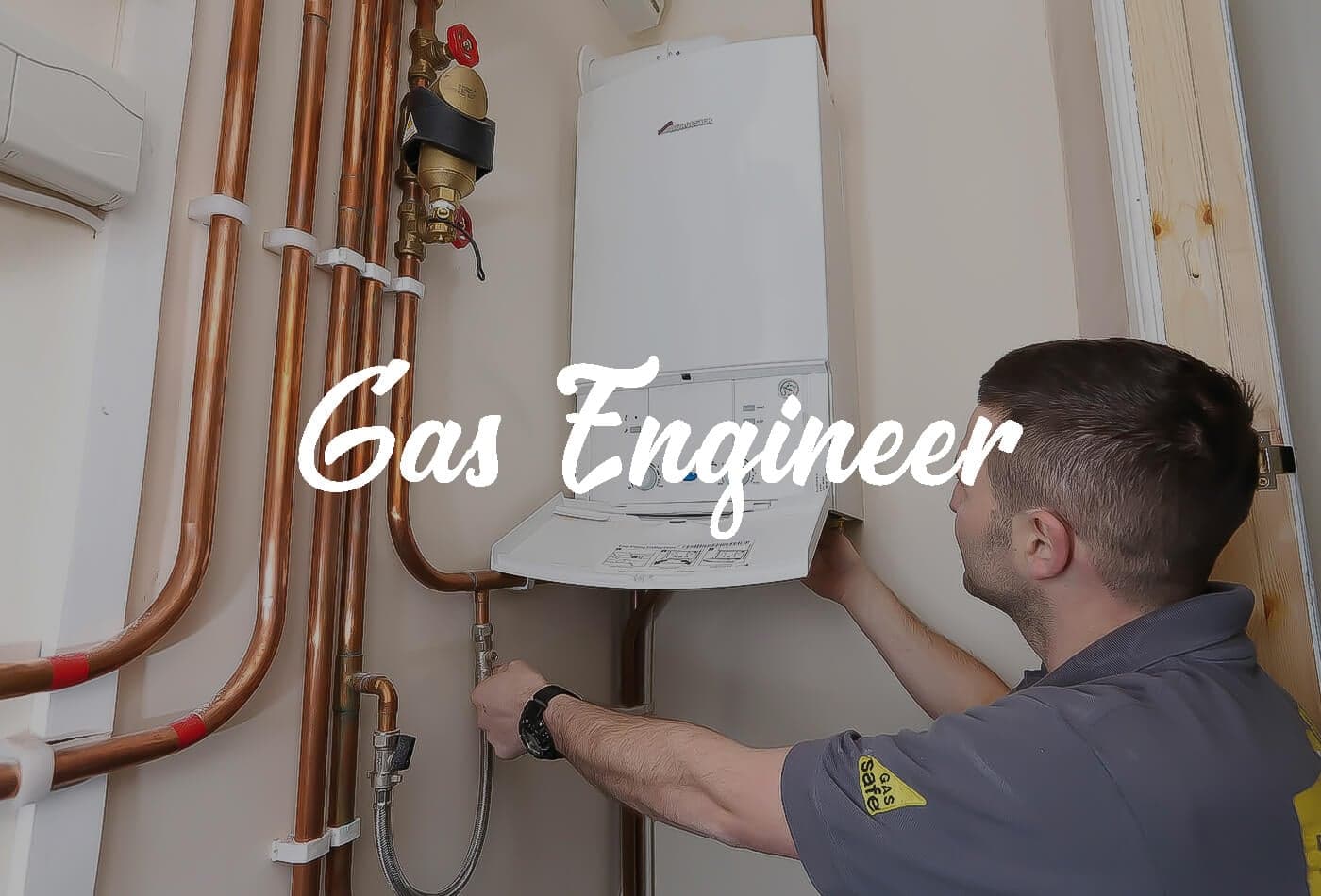
A gas engineer is a skilled professional, and we all know that they are responsible for gas systems, from installations and maintenance to ensuring gas safety. They probably check on the gas appliances running smoothly and safely in homes, business spaces, and large facilities. They handle a variety of tasks, including installing a new boiler, conducting regular safety checks, or troubleshooting gas supply issues. Ensuring safety is a top priority, not just for the clients they serve but also for themselves and their teams. With strict regulations in place, gas engineers have to stay updated, skilled, and vigilant. So, if you rely on gas appliances, thank a gas engineer – they’re working behind the scenes to keep things running safely and efficiently!
Gas Engineer & Gas Safety Is Important
A gas engineer is responsible for fitting, continuing, and setting the right gas gadgets and systems in familial, business, and factory settings. They secure the safe and structured performance of gas-related appliances such as kilns, heaters, stoves, and piping. Engineers perform safety examinations, recognise faults, and discharge compulsory repairs or replacements to ensure conformance with ordinance and quality. They also advise clients on energy locality, commend upgrades or renewal, and respond to emergency service calls related to gas leaks or breakdowns. Overall, engineers play a decisive role in ensuring the safety and benefits of gas systems.
Gas Safety Engineers UK
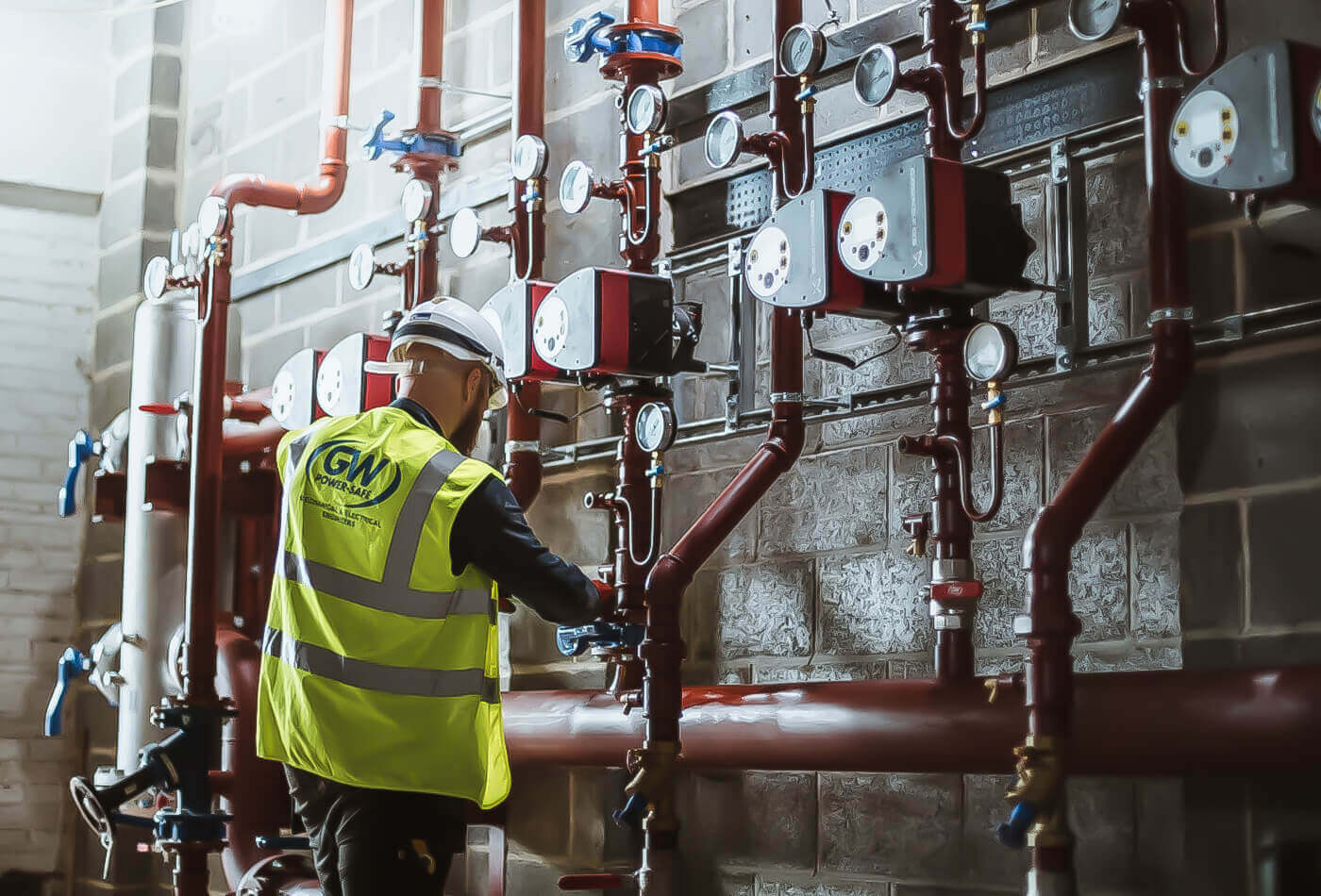
As per the research, nearly 130,000 registered gas safety engineers are currently active in providing gas safety across homes in the United Kingdom, businesses and industrial facilities.
In the UK, there are over 130,000 registered gas engineers who play a crucial role in maintaining gas safety across homes, businesses, and industrial facilities. To legally work with gas, each engineer must be registered with the Gas Safe Register, the UK’s official body for gas safety. This registration isn’t just a formality; it ensures that gas safety engineers have met the required training standards and are certified to work with gas appliances safely.
The need for registered engineers is essential, as gas systems require specialised knowledge to prevent risks such as leaks, carbon monoxide poisoning, or fires. The Gas Safe Register also provides a layer of protection for consumers, who can verify an engineer’s credentials before any work begins. With increasing demand for gas services and safety compliance, registered engineers are more important than ever, ensuring homes and businesses remain safe and energy-efficient across the UK.
Installation
Engineers are trained to install numerous gas appliances, including boilers, radiators, cookers, and furnaces. They ensure that fittings follow quality and fabricator's guidelines.
Maintenance
Regular preservation of gas devices is necessary for safe and well-organised working. Engineers examine and clean elements and make any compulsory adjustments or repairs to keep gadgets running steadily.
Repairs
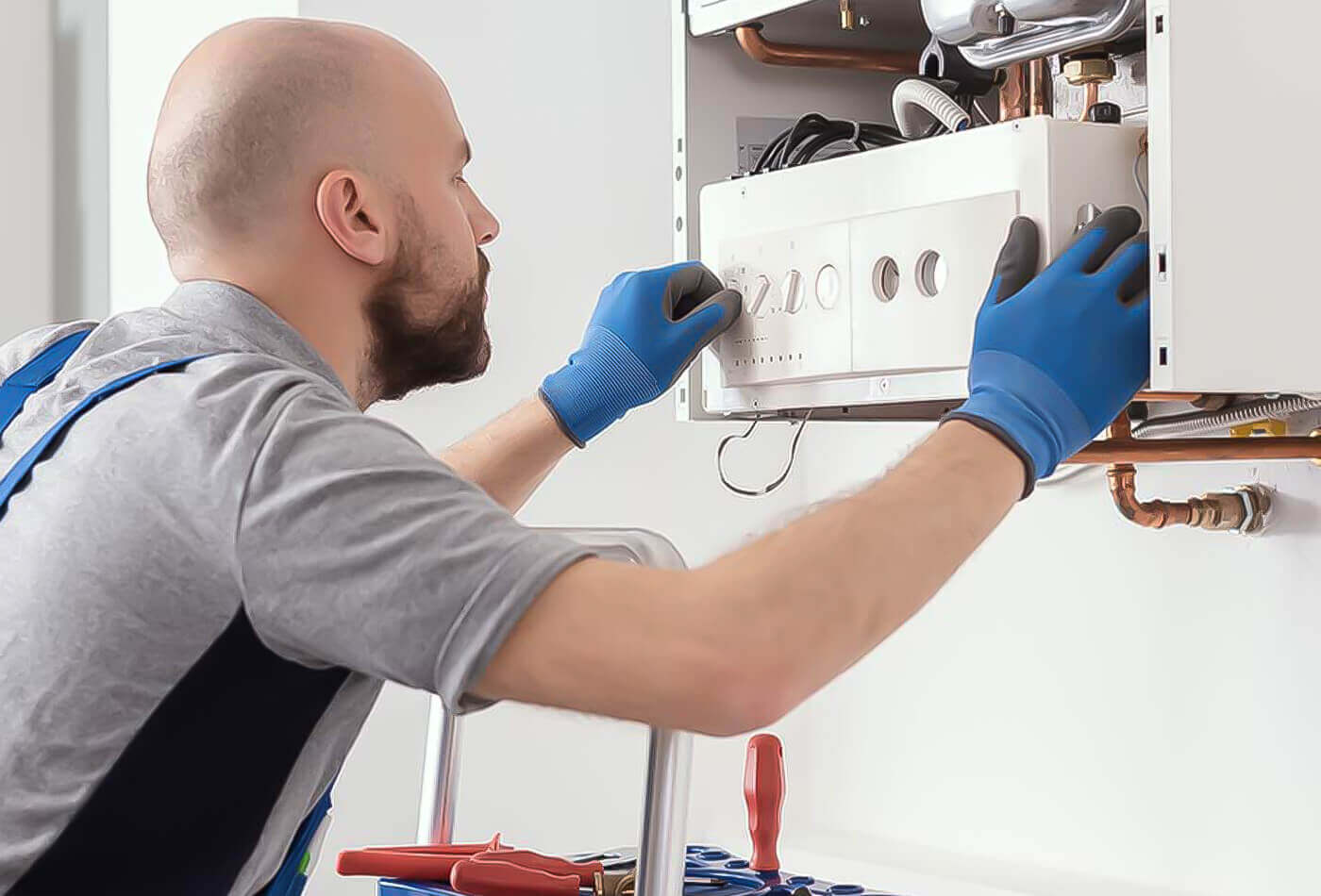
When gas gadgets are defective or develop liability, engineers determine the complication and make repairs as required. This incorporates replacing damaged parts, restoring leaks, and ensuring the gadgets run safely.
Safety Inspection
Engineers examine gas gadgets and systems for prospective hazards or observation issues. They examine for gas leaks, carbon monoxide emissions, and proper ventilation to ensure the safety of the residents.
Emergency Response
Engineers are regularly called upon to grasp emergencies such as leaks or gadget breakdowns. They estimate the condition, take the compulsory provisions, and execute repairs to ensure protection and benefits.
Compliance
Engineers must come behind strict guidelines and quality when fitting and conserving gas gadgets. They stay present on official switches and make sure their work meets all legal concerns.
Overall, engineers in the UK play a necessary role in maintaining the safety and efficiency of gas appliances and systems, ensuring occupant well-being, and observing regulatory concerns.
Month Gaps That We Need To Service The Gas Connections
We suggest homeowners have gas appliances serviced annually by qualified gas engineers to ensure they are safe and efficient.
What are the Problems You Often Face With the Gas Engineer?

Gas engineers face a variety of opposition in their line of work. Common issues include safety hazards such as gas leaks or carbon monoxide discharge, which require constant observations to ensure inhabitants' safety and conformance with safety. Navigating composite regulatory concerns is also a remarkable challenge, as gas engineers must keep up with interchange laws and ensure exchange in their fitting and preservation procedures. Appliance defeat and shortages of required parts can cause delays in repairs and service delivery; call-outs can disrupt effort and strain assets, make necessary strong time management and organise.
Furthermore, working in diverse conditions with various types of gas systems and gadgets necessitates creativity and flexibility from engineers. Communicating these challenges requires applied expertise, attachment to safety conventions, productive client conveying, and industry-wide access to resources and support networks.
Minimise All Your Problems By Signing Up With MAI
Signing up with MAI can help gas engineers reduce many of their challenges.
Safety Support
MAI provides access to experienced professionals who provide timely technical assistance and guidance on safety procedures, ensuring compliance with standards and reducing safety risks.
Regulatory Assistance
MAI provides regulatory support services, such as access to the most recent regulatory information, compliance training, and documentation assistance, to help engineers maintain compliance and avoid penalties.
Equipment Maintenance and Support
MAI provides:
Equipment maintenance and repair services.
An extensive inventory of replacement parts.
This allows engineers to address equipment issues quickly and reduces downtime.
Efficient Scheduling and Dispatching
MAI simplifies scheduling and dispatching processes by providing a centralised platform for managing appointments and optimising routes, allowing engineers to respond quickly to service requests while increasing efficiency.
Professional Development Opportunities
MAI provides ongoing direction and professional expansion opportunities to help engineers stay updated on industry trends and professional improvement, improving their skills and flexibility.
By leveraging MAI’s resources and support, engineers can increase productivity, ensure regulatory compliance, and provide high-quality service to their clients while minimising risks and maximising safety. Sign in as a Trader or Project owner, and you can enjoy our services!!
Frequently Asked Questions and Answers
How Often Should I Service My Gas Appliances?
Ideally, gas appliances should be serviced annually. This ensures they operate efficiently and safely, reducing the risk of leaks or malfunctions.
Can A Gas Leak Occur If I Turn Off My Gas Appliances But Not The Main Supply?
Yes, a gas leak can still occur from pipes or connections. It’s rare but possible, so ensure appliances are off and call a professional if you suspect a leak.
If I’m Renovating My Kitchen, Can I Move My Gas Oven On My Own?
It’s strongly advised not to. Gas lines are sensitive, and even a minor disturbance could cause a leak. Always contact a gas engineer when moving gas appliances.
Are There Any “Green” Alternatives To Traditional Gas Heating That Are As Safe?
Options like electric or heat pump systems are eco-friendly and reduce reliance on gas. Your engineer can discuss efficient alternatives suited to your property.
Is It Safe To DIY Repair A Gas Appliance With A Minor Issue?
DIY repairs on gas appliances are risky and illegal if not certified. Even minor repairs can lead to leaks or inefficiencies, so it’s essential to call a registered engineer.
Try MAI for today ❤️!