
Table of Contents
Key Takeaway:
In the ever-evolving landscape of the UK and Ireland, electrician and electrical workers are emerging as vital players. As technology is scaling and approaching new heights and demands skyrocketing, there's never been a better time to invest in your career. At MAI, the part where we recognise reputable electrical workers and offer them a platform where their skills can thrive. Join us to grab more opportunities, expand your business traffic, and witness your career soar to unprecedented heights. Don't miss out on the chance to be at the forefront of innovation and progress – seize the moment with MAI.
What is the Electrician's Responsibility?
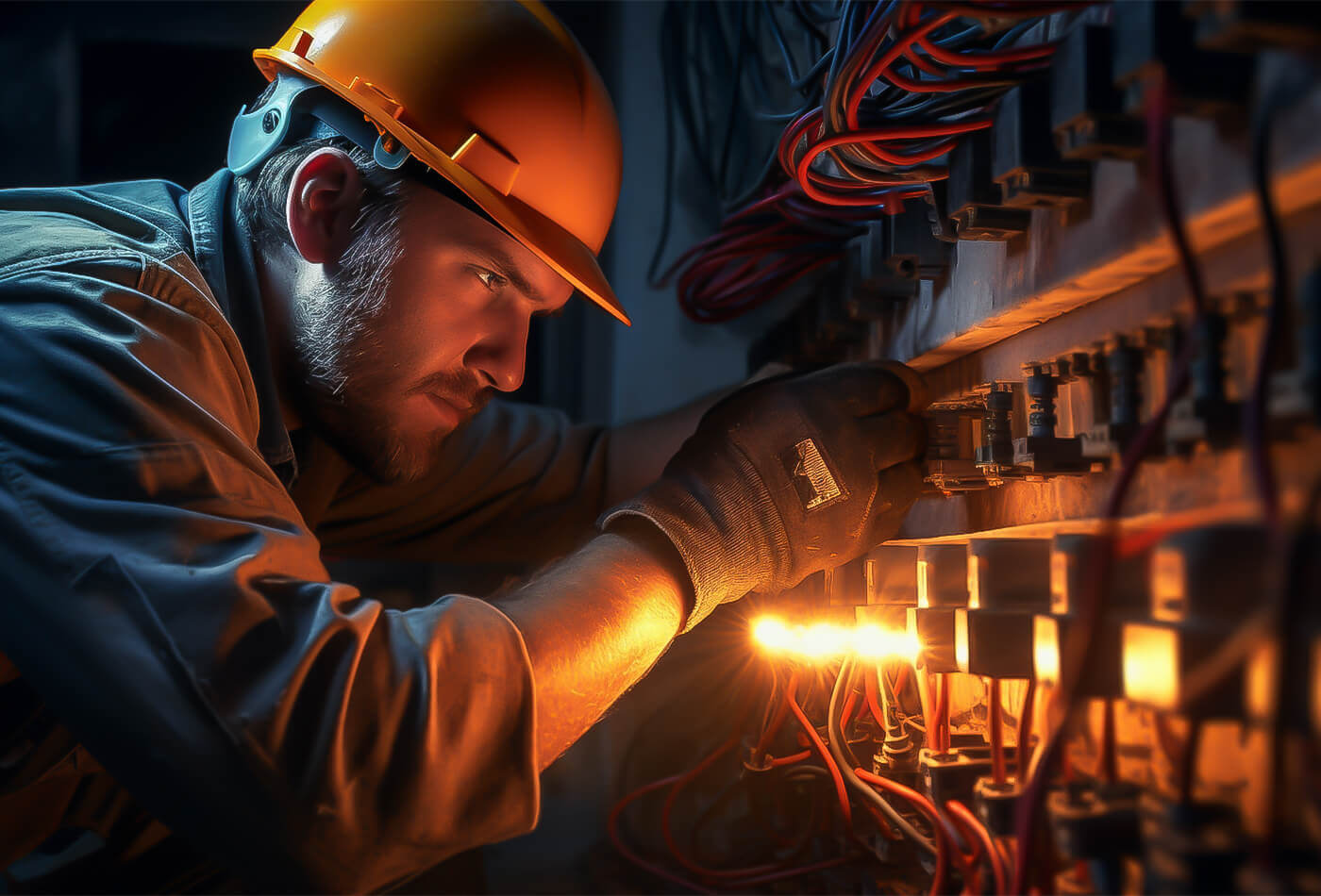
Electrical workers are someone with expertise and skills that include the installation, maintenance, and repair of electrical systems, etc. Make sure that it is important to double-check the safe and efficient operations of electrical wiring, fixtures, and equipment in various settings, commercial and industrial buildings. Electrical workers are trained to work with a wide range of electrical components, such as circuit breakers, wiring, switches, outlets, and lighting fixtures.
Find Electricians Near You Easily
Every skilled electrical workers in the UK and Ireland undergoes extensive training and apprenticeship programs to obtain the necessary qualifications and certifications. Often, electricians learn or get hands-on experience about the safety and effectiveness of the work that comes with the wiring and current passages. Electricians must adhere to strict safety regulations and codes to minimise the risk of electrical work safely and effectively / electricians must adhere to strict safety regulations and codes to minimise the risk of electrical hazards and ensure compliance with building standards.
Feel MAI as your platform. Every trusted electrician who has registered at MAI can become a part of this family, and you will be denoted as MAIIAN. You could browse and find plenty of projects that need electrical work to be done; choosing the project which is very near you would be one super cool benefit at MAI. For help and support, contact us or write to info@myproject.ai.
Different Types of Electrical Works and Their Importance
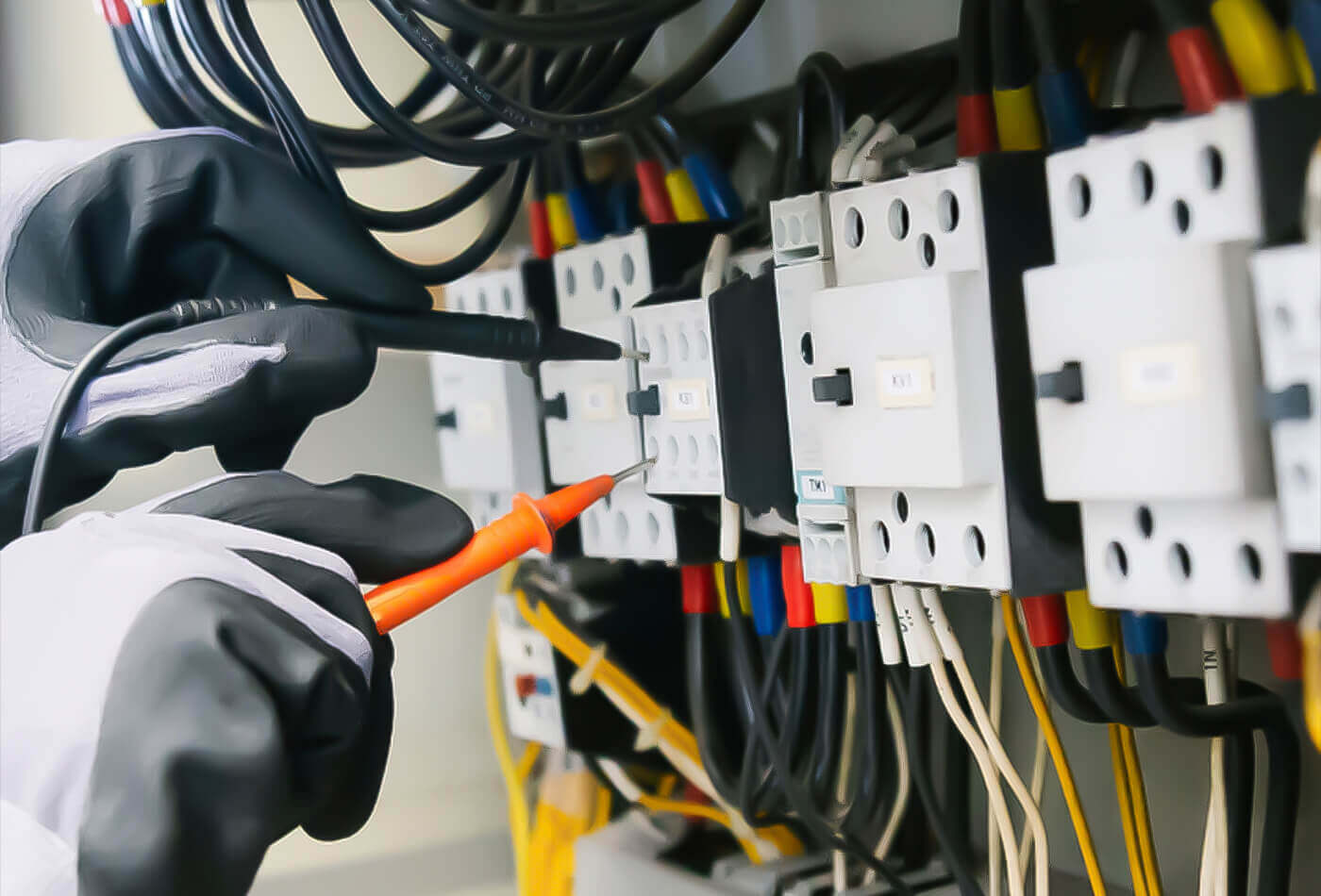
Electrical work covers a whole range of services—each one important for keeping things safe, functional, and comfortable. But did you know there are different types of electrical work for different needs? Let's start with residential work. This includes everyday tasks like wiring, lighting, and installing outlets. These might seem simple, but they're essential for keeping homes running smoothly and safely.
Commercial work, on the other hand, is a bit more involved. Think about the electrical systems in offices, factories, or shops—ever wonder why they're different? These setups are more complex, often require special systems, and handle higher voltages. Then there's industrial work, which takes things to another level. It's all about large-scale machinery and heavy-duty power systems needed for factories and big industries. And what about the specialty stuff? Solar panels, electric vehicle (EV) charging stations, or smart home automation keep homes and businesses energy-efficient and future-ready.
Every type of electrical work needs skilled, reliable electrical workers who know safety standards inside and out. So, whether it's a quick home repair or a major system upgrade, each kind of electrical service plays a big role in everyday life.
Average Pay of the Electrical Workers in the UK & Ireland
The pay for electricians in the UK and Ireland can vary depending on various necessities. Such as experience, location, and the specific sector they work in. According to data from the Office for National Statistics ONS in the UK, the average salary might come in between £25,000 to £40,000 per year, with experienced workers earning higher salaries. In Ireland, electrical workers can expect to earn an average salary of €30,000 to €50,000 per year, again depending on factors such as experience and location.
Are Electricians and Electrical Workers Highly Demanded?
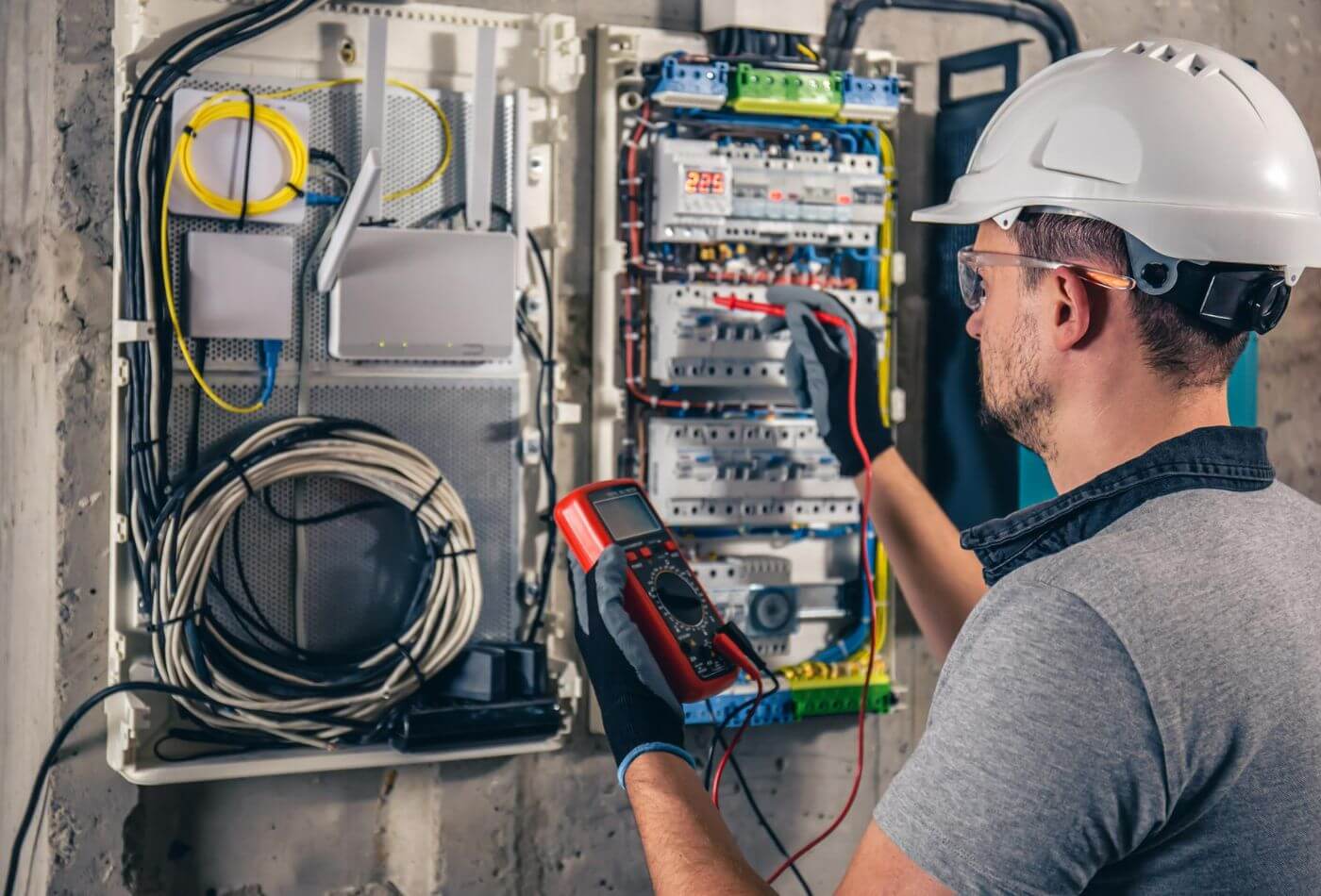
Electricians have the opportunity to increase their earnings through overtime work, specialised skills, and additional qualifications. With the growing demand for skilled electrical workers in various industries, there are ample opportunities for career advancement and professional development in the electrical field. As technology continues to advance and the need for electrical services grows. Electricians will remain in high demand, making it a promising career choice for those with a passion for working with electricity and electronics. Call or mail info@myproject.ai for any complicated projects; we are here to help you.
Frequently Asked Questions and Answers
1. What Qualifications Does One Need To Be an Electrician in the UK?
To work as an electrician in the UK, one needs a combination of training, certification, and sometimes experience. The most common path includes completing an NVQ (National Vocational Qualification) in Electrical Installation, typically at Level 3. Most electrical workers also undertake an apprenticeship to gain practical experience. Additionally, they should hold a Part P qualification to carry out work safely within domestic properties. Many reputable workers are also registered with regulatory bodies like NICEIC (National Inspection Council for Electrical Installation Contracting) or NAPIT (The National Association of Professional Inspectors and Testers), which ensures adherence to UK safety standards.
2. How Can I Find a Licensed Electrical Workers in the UK?
To find a licensed workers, check for registration with a regulatory body like NICEIC, NAPIT, or ECA. These organisations verify that the electrical workers has met all safety and quality standards. You can use their online directories to find certified local electrical workers.
3. How Much Does Electrical Work Cost in the UK?
Electrical work costs vary depending on the type and scale of the job. Basic tasks like installing new sockets or lights may range from £40 to £90. For more complex work, such as rewiring a home, costs can go from £1,500 to over £5,000, depending on the property's size. Expect to pay a higher hourly rate for emergency callouts, typically around £75–£100 per hour. Always request a detailed quote to understand the full cost upfront.
4. What Should I Do in Case of an Electrical Emergency?
In an electrical emergency, such as a power outage, sparks, or smoke coming from an outlet, stay calm and prioritise safety. Immediately turn off the power at the main switchboard if it's safe to do so. Don't touch any affected outlets or appliances. Contact a licensed emergency electrical workers for assistance—many offer 24/7 service. If there's immediate danger (such as fire or sparking), evacuate and call emergency services at 999.
Don't let delays hold you back. Join MAI today and take control of your career. With us, the opportunities are endless, and your potential knows no bounds. Let's make great things happen together.
Join MAI and make your businesses HAPPY!