
Table of Contents
Key Takeaway:
How do you make the curtains and blinds? From choosing the fabric to hanging it on the windows and doors, here are the tips you need the most. How can MAI help you with the curtain and blind draping? Get answers by reading the blog.
Curtains and Blinds: How Elegant Are They?
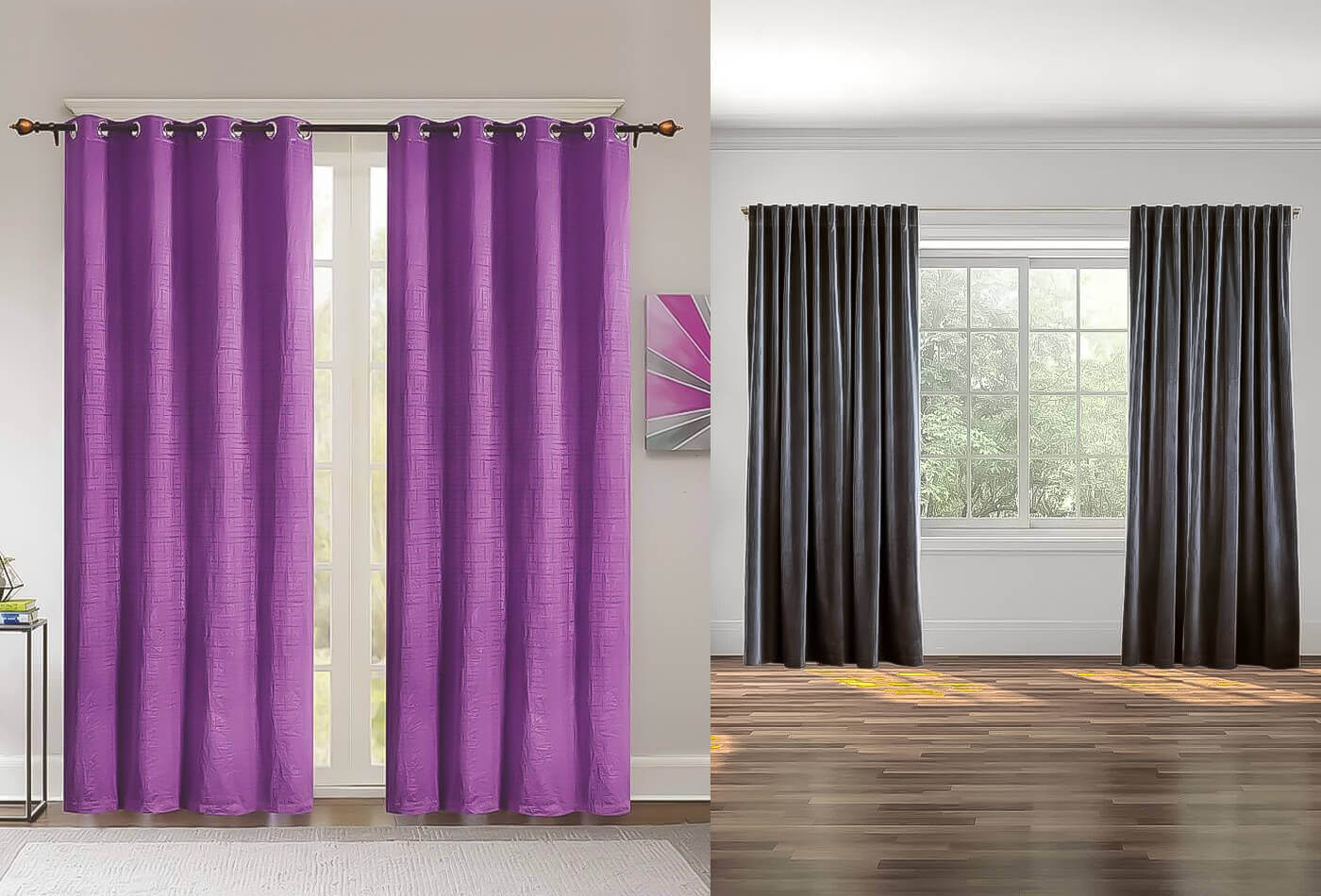
Curtains and blinds are not just a mere fabric but a vital thing to prevent the sun shades from penetrating your homes. However, styling them for your home or commercial space interiors with the utmost care for elegance is decisive. How do you drape them elegantly for space? Follow these steps.
Benefits of Custom Curtains and Blinds
What is the most beneficial thing in making the customs curtains and blind? Who doesn’t love the idea of creating something uniquely their own? Custom curtains and blinds are all about personalisation, giving you the power to design window treatments that perfectly suit your space and style. The biggest benefit? You’re not stuck with off-the-shelf options that almost work. Instead, you get the exact size, color, pattern, and functionality that match your home’s vibe. Whether you want something chic for a modern living room or cosy for a rustic bedroom, custom options have got you covered.
Custom curtains let you choose luxurious fabrics like velvet for a dramatic touch or light, breezy sheers to keep things fresh. For blinds, you can opt for materials like bamboo for eco-friendly flair or sleek metallics for a futuristic look.
2025 Rare Curtain Ideas
Rare ideas for 2025? Try layered curtains with dual textures—one sheer and one opaque—for a dynamic look. Or how about printed blinds with geometric or nature-inspired patterns to add personality? For a minimalist trend, go with motorized blinds in neutral tones that integrate smart home tech.
With custom curtains and blinds, you’re not just decorating; you’re crafting a space that feels uniquely you. Plus, the compliments from visitors? Totally worth the try!
Surf Shops & Choose Fabrics
Start by considering the purpose of the curtains or blinds. Some might want to cover the bright window, some for privacy, some as a decorative element, and sometimes a combination of all these things.
Control light: go for thicker fabric, velvet, cotton, or black curtains.
Silk, linen, or sheer curtains: If you wish to send in partial sun lights.
Consider the colour and pattern: Light colours make rooms appear larger, while dark colours add cosiness. Patterns can add visual interest.
Traders Take a Chance
Showcase your artistic curtains, tapestries or blind shades here at MAI. You might have the chance to sell many on one platform. Sign up for free!
Too High or Too Low? Determine the Height of the Curtains
Drape your curtains or blinds at the optimal height. Don't make them too high or too low. Measure the sides of your window or door frame. For curtains, add some extra width or height from where you want the curtain or blind to start to where you want it to end.
Cutting and Sewing (for Curtains)
Did you choose your fabrics? Cut the fabric according to your measurements, adding allowances for hems and seams. Hold all the edges and sew the sides and bottoms of the curtains. Depending on your curtain rod type, create a rod pocket or add grommets for hanging.
Put the Stitched Curtains on Place
Follow the manufacturer's instructions carefully. Most blinds come with brackets that need to be screwed into the window frame. Make sure the blinds are level and secure before operating them. Hire a handyman to decorate your curtains correctly.
Sign up as a Project Owner.
Insert the Rod Into Your Curtain Rings
The next step is to insert the rod or rope into the curtain rings. If your curtains are missing one, ask the sewer to add rings. Detailing is very important during decorating. For a more expansive look, make the curtain rod slightly wider than the window frame. Slide the curtains onto the rod and arrange them evenly. If needed, use curtain hooks or rings for easy movement.
Tune in for the Better Look
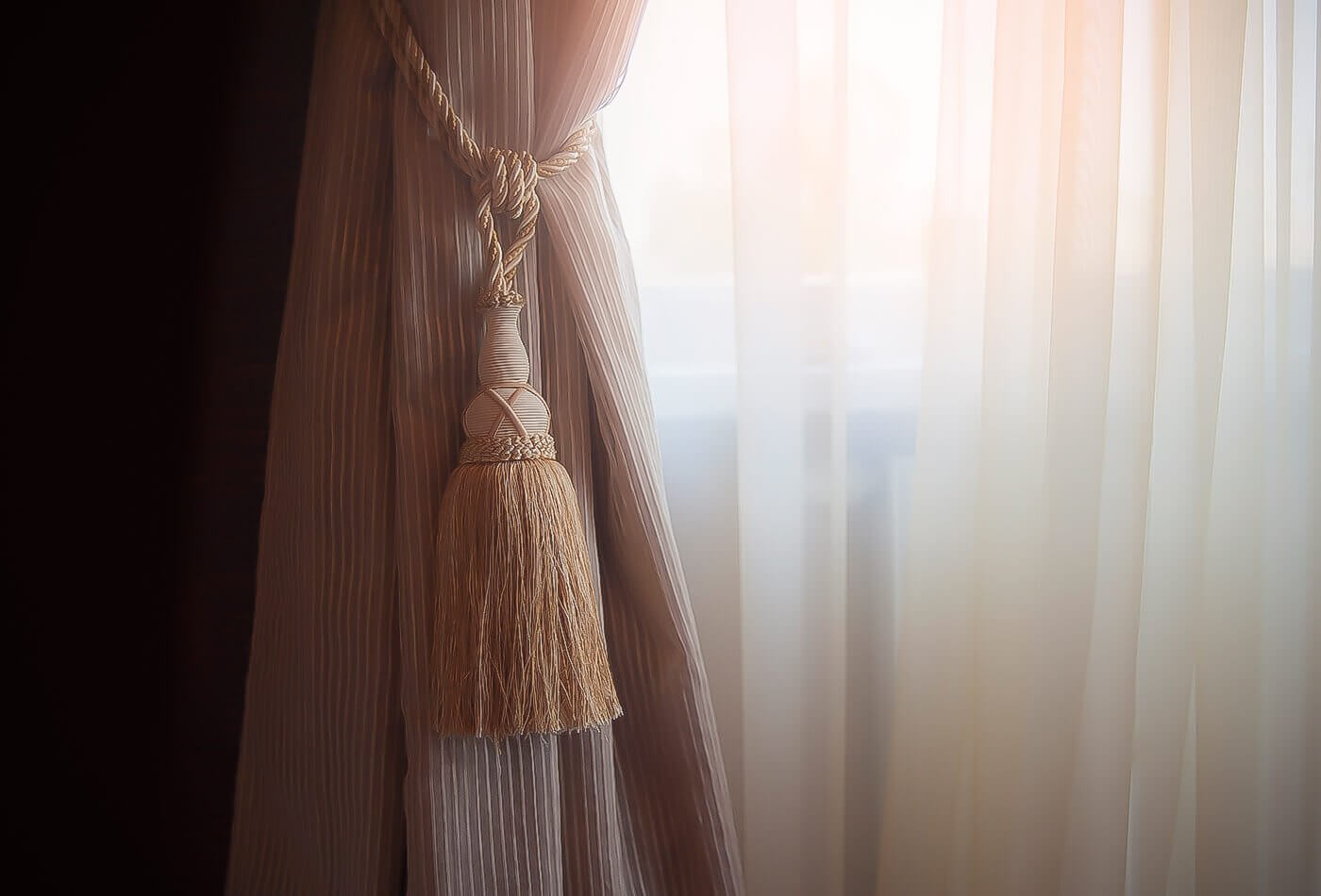
Adjust the length of the curtains or blinds as necessary. Curtains can be hemmed if they're too long, while blinds often have adjustable lengths. Use tiebacks or holdbacks to create elegant draping or to keep curtains open during the day.
Common Challenges in Making Curtains and Blinds?

Making curtains and blinds at home can be rewarding, but it comes with its challenges. Measuring inaccuracies are a common issue—wrong dimensions can lead to ill-fitting curtains or blinds that don’t cover windows properly. Choosing the right fabric can also be tricky, as some materials may wrinkle, fray, or be challenging to sew. For blinds, working with mechanisms like rollers or Roman folds can feel overwhelming for beginners.
Another challenge is mounting and installation, especially for heavier curtains or blinds requiring precise alignment. Handling patterned fabrics adds complexity, as mismatched designs can disrupt the look. Finally, achieving a professional finish with clean edges and smooth functionality often demands patience and practice. However, overcoming these challenges makes the results even more satisfying.
How To Care For Your Waned Blinds?
Keeping your curtains and blinds clean is important for maintaining a fresh and tidy home. Just like you dust your furniture, it's a good idea to regularly vacuum or dust your curtains and blinds. This helps prevent dust and dirt buildup, keeps them looking nice, and reduces allergens in your home.
If your curtains or blinds are machine washable, follow the care instructions on the label for the best results. Some may need to be dry-cleaned, so check before washing. Proper care ensures they stay in good condition for longer, saving you time and money in the long run. Call or mail to info@myproject.ai.
Conclusion:
Remember, personalising your curtains and blinds can enhance your space's overall look. Have fun experimenting with different fabrics, colours, and styles! Registering at MAI is completely free of cost; do it.
How do Project Owners hire Traders at MAI? Click to learn how this works!
Try MAI for free today 😊!