
Table of Contents
Key Takeaway:
Installing a central heat system in your home is a practical and efficient way to ensure warmth during colder months. Nearly most UK homeowners are equipped with this heating, so it's one of the most reliable options for maintaining a comfortable indoor environment. The central heating system usually circulates a limited amount of heat throughout your house, reducing or eliminating the cold spots and keeping you comfortable and all. The installation process may seem complex but don't worry. MAI is here to help you with these situations, and it might be simpler and more cost-effective than ever. It increases comfort, and a properly installed system shall also improve energy efficiency, potentially lowering your utility bills by 10-20%. Ready to make your home cosier with minimal effort?
Introduction:
A central heat system is a preparation that generates heat in houses. It has two important elements: a vessel to heat water called a boiler and a system that takes hot air to every nook of the house called a furnace and distributes it throughout a building using radiators, vents, or underfloor pipes. The primary purpose is to maintain a comfortable indoor temperature during colder months.
Traditional central heating systems often relied on wood, coal, or oil-fired boilers. These boilers heat water or air and circulate it through pipes or ducts to radiators or vents. While reliable, these methods are less efficient by modern standards due to their reliance on fossil fuels and manual operation. Authentic systems, such as cast-iron radiators, have a classic appeal but can be slow to heat and are harder to regulate precisely.
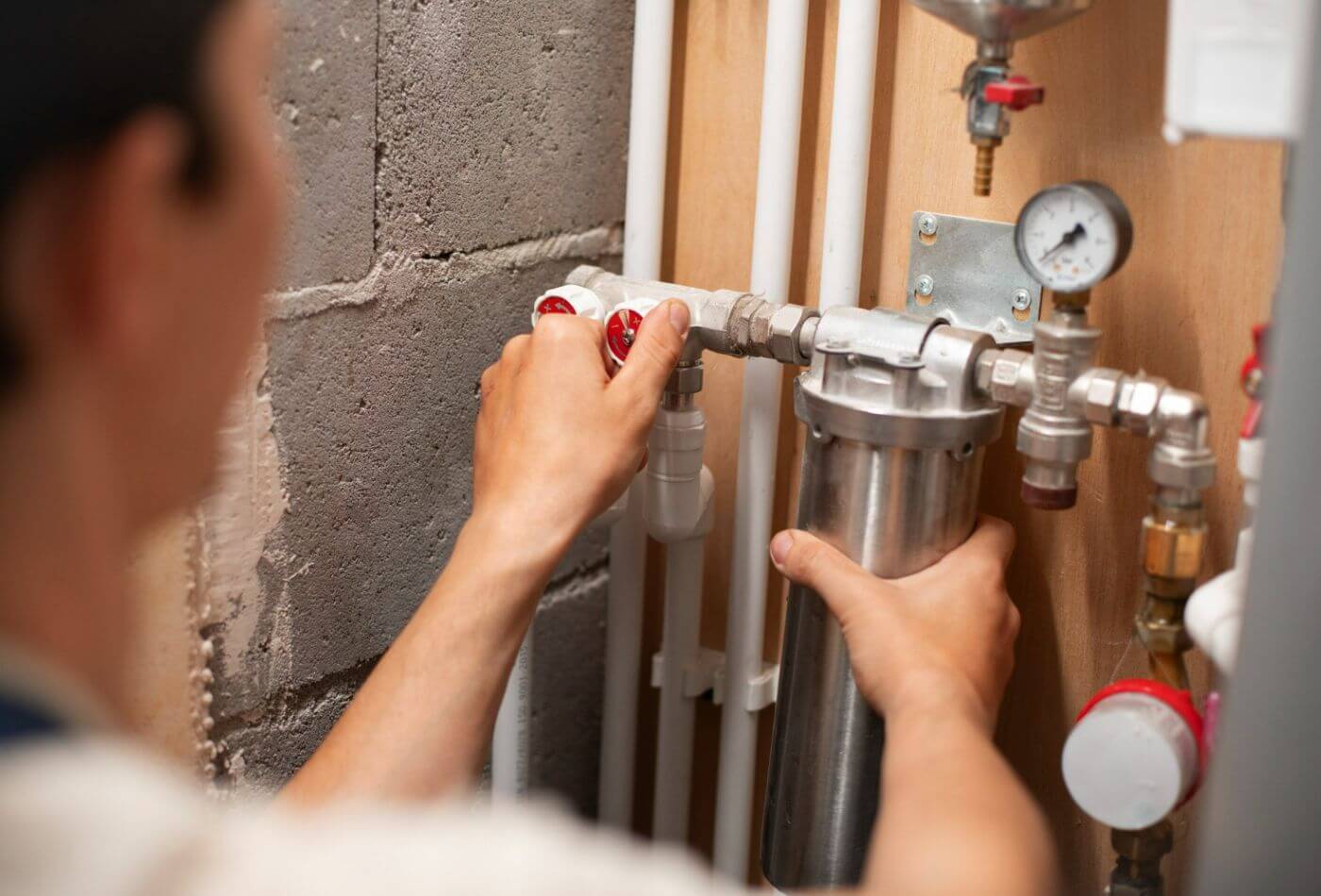
Modern central heating systems primarily use gas or electric boilers that are more energy-efficient and eco-friendly. Hydronic (water-based) systems and underfloor heating have become increasingly popular for their even heat distribution and comfort. Modern thermostatic controls allow you to pre-fix the right temperature regulation and zoning, increasing efficiency.
In simple, Modern homes, gas or electric core heating with smart thermostats is ideal. Central heat systems supply better energy efficiency, run lower on your cost and are environmentally friendly options. Hopefully the better solution for modern homes while you are at it, make the best choice for your house.
Central Heaters Vs Space Heaters: Which Is Right For You?
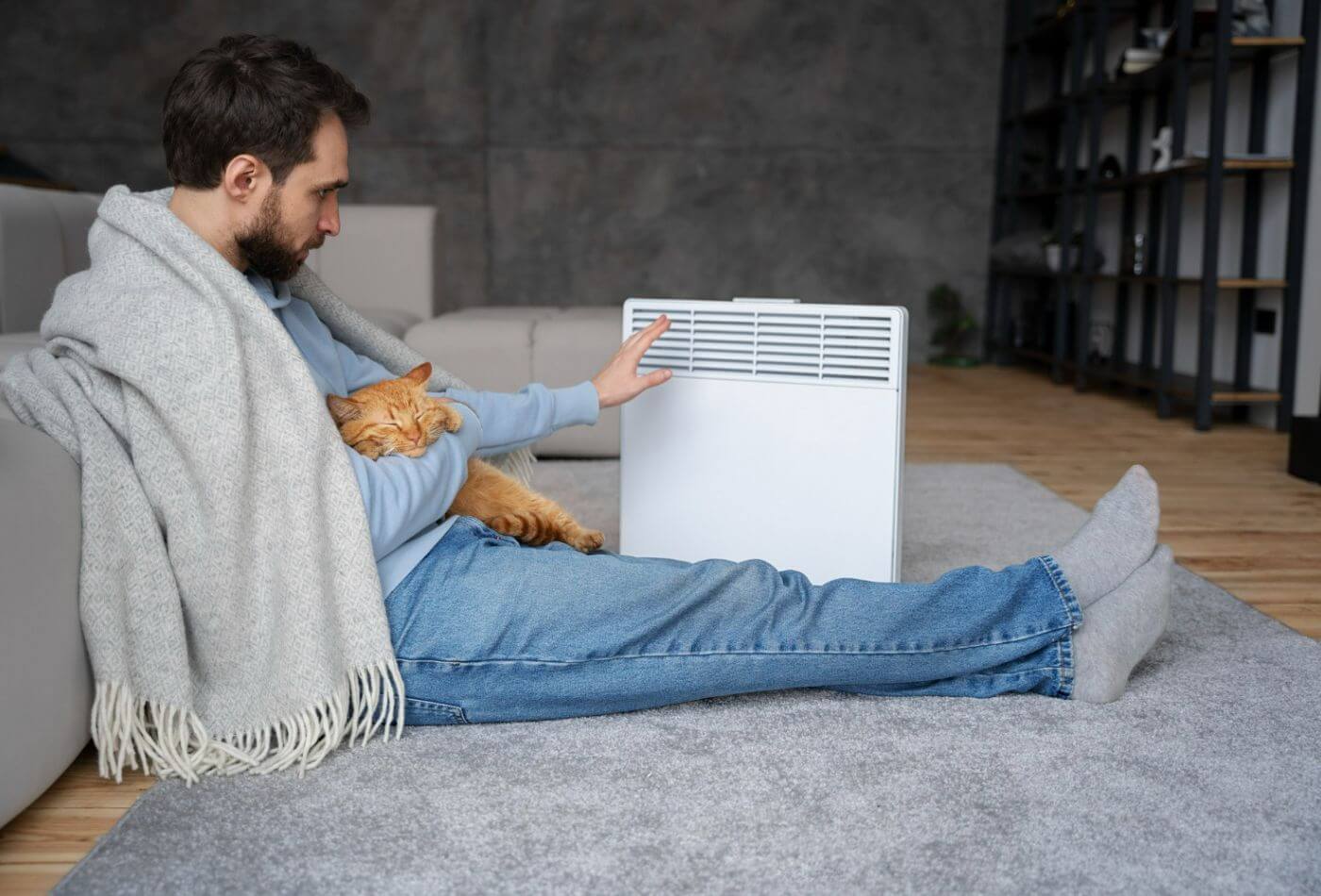
Are you in chaos? Between selecting the central heating and space heaters, it's important to consider factors like the area of your homes, size, energy efficiency, and long-term costs.
Central heating is ideal for heating an entire home. It uses a single furnace or boiler to distribute heat evenly through ducts, radiators, or underfloor systems. Central heating is more energy-consuming for larger homes, as it may maintain a consistent temperature across multiple rooms. May this be convenient with programmable thermostatic control, allowing you to control heating zones and schedule heating times. Although the initial installation cost is higher, core heating is generally more cost-effective and reliable in the long run.
On the other hand, space heaters are portable, compact, and inexpensive upfront. If you have petite and closed small rooms, this is an effective solution; space heaters are easy to set up and might provide instant warmth where needed. Wishing to reduce your current bills? Use them energy-efficiently to heat large areas, and this for a longer time might drive up electricity bills. Safety can be another biggest concern, as they pose fire risks if left unattended or placed near flammable materials.
Central heating is better suited for whole-home, long-term efficiency, while space heaters are a good option for supplemental heating or smaller, localised spaces. Your choice depends on your needs, space, and energy consumption. Call or mail info@myproject.ai if you need a heat system installation at a very nominal price.
How To Maintain Your Central Heating System For Winters?

Maintaining your core heating system before winter is essential for efficient operation, energy savings, and avoiding costly breakdowns during the coldest months. Here's how to keep it in top shape:
1. Inspect Your Heat System Once a Year
Schedule a professional inspection before winter to ensure the system runs smoothly. A technician can check for leaks and worn-out parts and ensure the boiler or furnace is functioning optimally.
2. Remove Trapped Air
Over time, air can get trapped in your radiators, reducing their efficiency. Bleed them by opening the valve to release the trapped air, ensuring even heat distribution.
3. Clean and Replace Filters
If your heating system uses air ducts, regularly cleaning or replacing filters is crucial. Dirty filters always restrict the airflow, making your system work harder and increasing energy consumption.
4. Check Thermostat Settings
Make sure your thermostat is working properly. You can set it to run at regular intervals or schedule it accordingly.
5. Closely Check Pipe Insulation
Ensure that pipes are well-insulated to prevent freezing during winter. Always double-check your pipes and insulation to avoid future mishaps.
Professional maintenance is critical. Contact certified HVAC technicians or your core heating provider for detailed inspections and repairs. Or simply leave your worries to us, as MAI is a technology that tries to pair the service needs with those who give it, but only after a proper backstudy. Proper upkeep prevents costly repairs, extends system life, and ensures your home stays warm and comfortable all winter.
Frequently Asked Questions and Answers
How To Save Money By Upgrading Your Central Heating System?
By this way you can definitely upgrade your heating system. Upgrading to a modern, energy-efficient boiler and adding smart thermostats could significantly reduce energy bills by up to 30%.
What's The Average Cost To Install A Heating System In The UK?
The cost of installing a new system varies, but it typically ranges between £2,500 to £4,500, depending on the size of the home and the type of system chosen.
What Should I Do If My Core Heating Isn't Working?
Check the thermostat, boiler pressure, and pilot light. If these seem fine, it's best to call a Gas Safe-registered engineer to diagnose and fix the issue.
Try MAI for free today ❤️!