
Table of Contents
- Introduction:
- What is Cavity Insulation?
- What Are the Pros and Cons of Cavity Insulation?
- What Is the Difference Between Cavity and Solid Insulation?
- How Does Cavity Insulation Wall Work? Let MAI Explain!
- Which Wall Insulation Is Best? Choose Experts at MAI!
- Is Cavity Wall Insulation Waterproof?
- How Much Does Cavity Wall Insulation Cost?
- Cavity Insulation Services in the UK – Choose MAI
- Conclusion:
- Frequently Asked Questions And Answers:
Introduction:
Are you looking to make your home warmer and more energy-efficient? Then choose this cavity insulation that might be the perfect option! It is considered a very perfect hedge against heat loss, helping save on all important energy bills and keeping you cosy all year round. But where to start? These services in the UK are much easier to access than ever before, and the difference is also huge, making your home remodelling comfortable. Remember though. If you are not sure where to begin, MAI will always be there to help you to find the best solution. Call us at +44 0208 004 3345 or send us an email directly at info@myproject.ai.
What is Cavity Insulation?
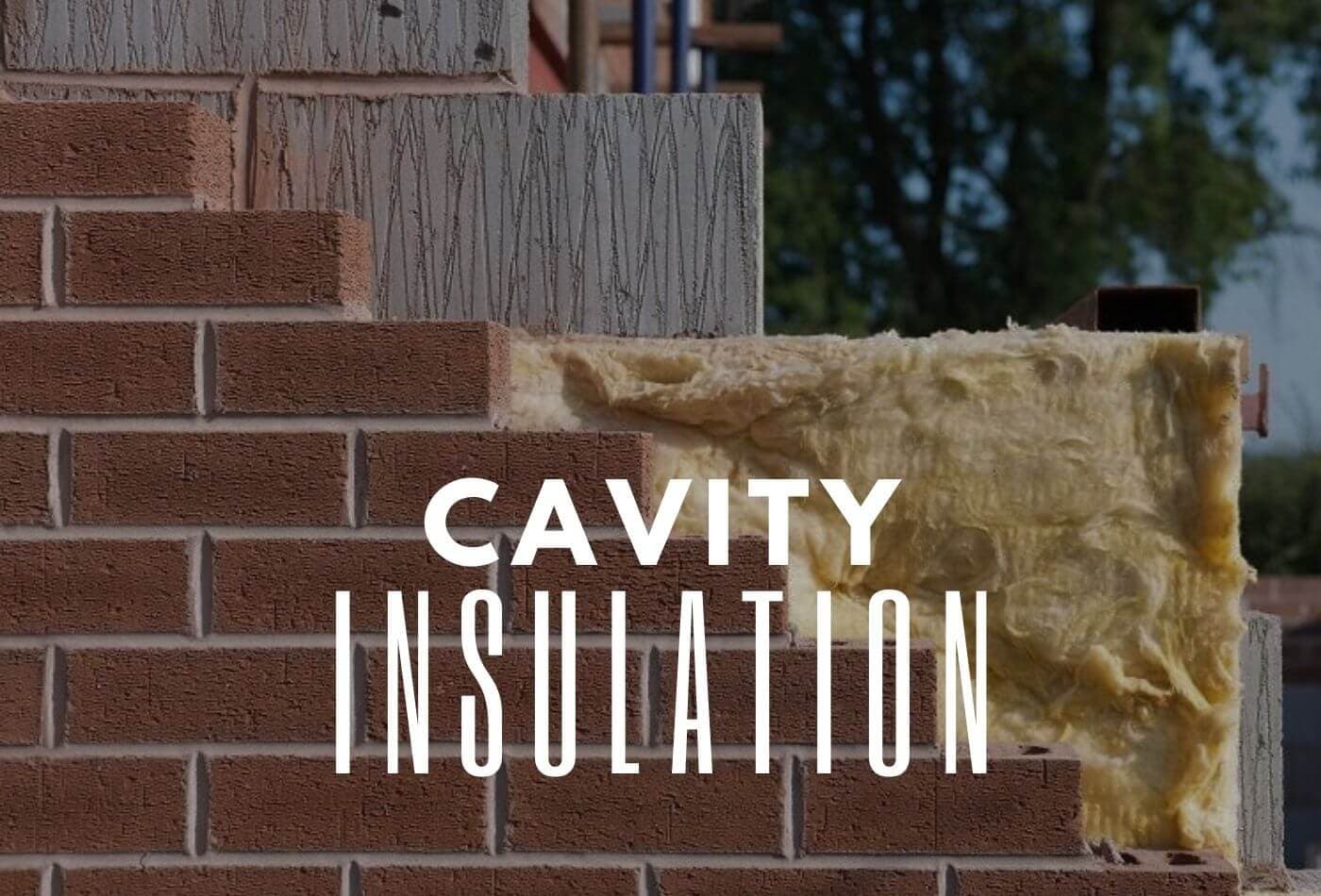
Cavity insulation refers to the method of filling the space or hollow space between the inner and outer partitions of a construction with a fabric that enables it to save warmth from escaping. This can considerably enhance the energy performance of your house. By decreasing heat loss, hollow space insulation maintains your residing areas hotter in iciness and cooler in the summer season. It is a very valuable, and effective way to reduce the energy bills and reduce your carbon footprint as well. Whether you are renovating or constructing a brand new home, insulation is a clever funding method for lengthy-term consolation. It can definitely help reduce noise from outside, making your property quieter and more peaceful. Many homeowners are turning to hollow space insulation as a clean and effective way to improve their homes. Choose MAI to get the top experts in your area!
What Are the Pros and Cons of Cavity Insulation?
Pros
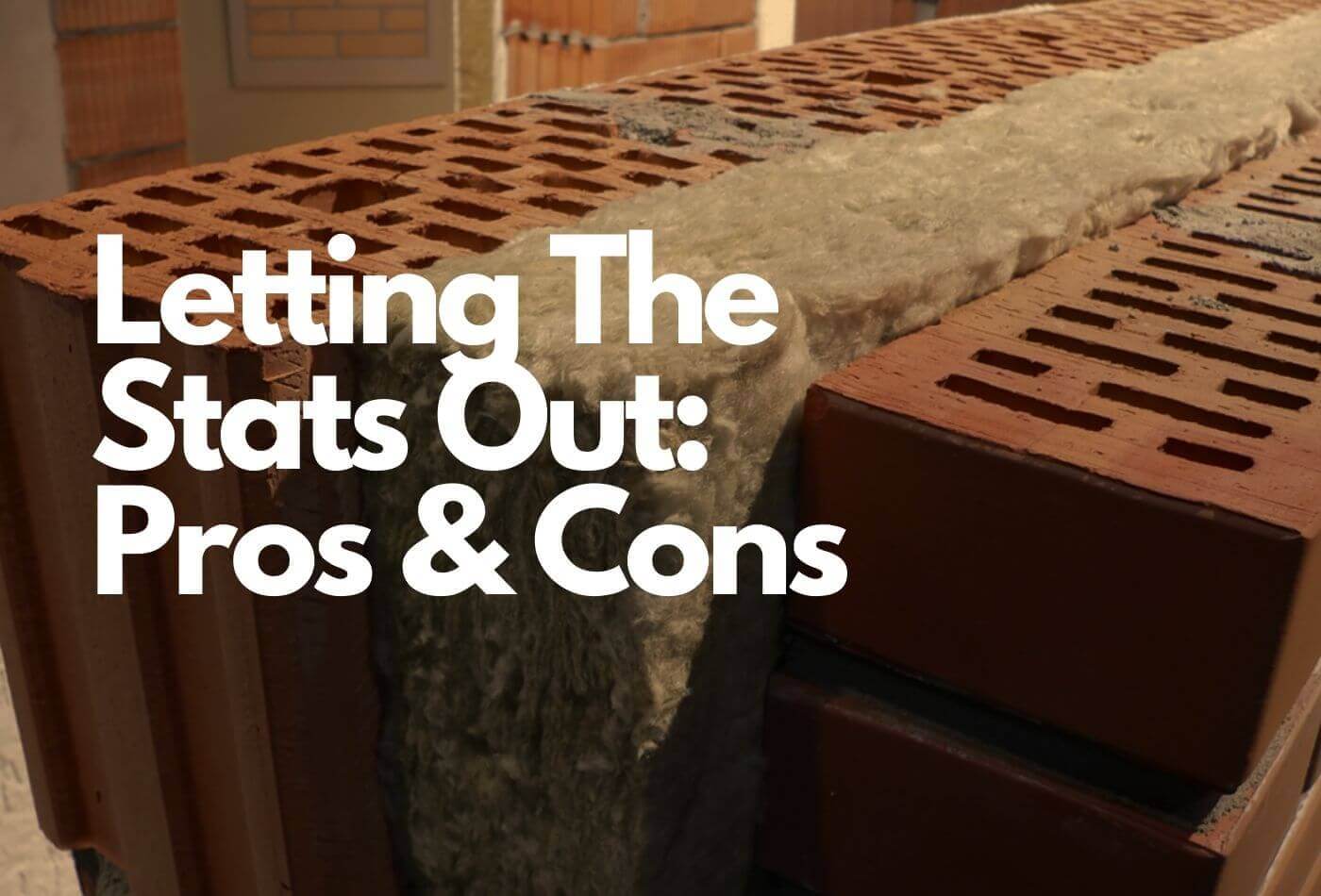
Energy efficiency: The insulation helps keep your home warmer by reducing heat loss, reducing energy bills, and keeping it comfortably warm year-round.
Cost-powerful: It is a cheaper solution that gives full-size electricity savings and home comfort blessings, resulting in big long-term savings.
Eco-Friendly: It facilitates reducing carbon footprint with the aid of the usage of less electricity for heating and cooling, contributing to a greener planet.
Noise Reduction: Reduction helps to lessen out-of-door noise, develops quieter home surroundings, and is ideal for city or busy environments.
Cons
Water issues: In some cases, cavity stoppers can trap moisture and, if not properly installed, can cause water problems, which can lead to structural damage
Installation Disassembly: Some installations may require minor moving or dismantling in your home, causing temporary disruption during operation.
Not suitable for all homes: Cavity stoppers do not work well in every home, especially those with thick brick walls or unsuitable cavity areas.
Repair potential: Over time, insulation may settle or shrink, reducing its effectiveness and requiring repair or replacement.
What Is the Difference Between Cavity and Solid Insulation?
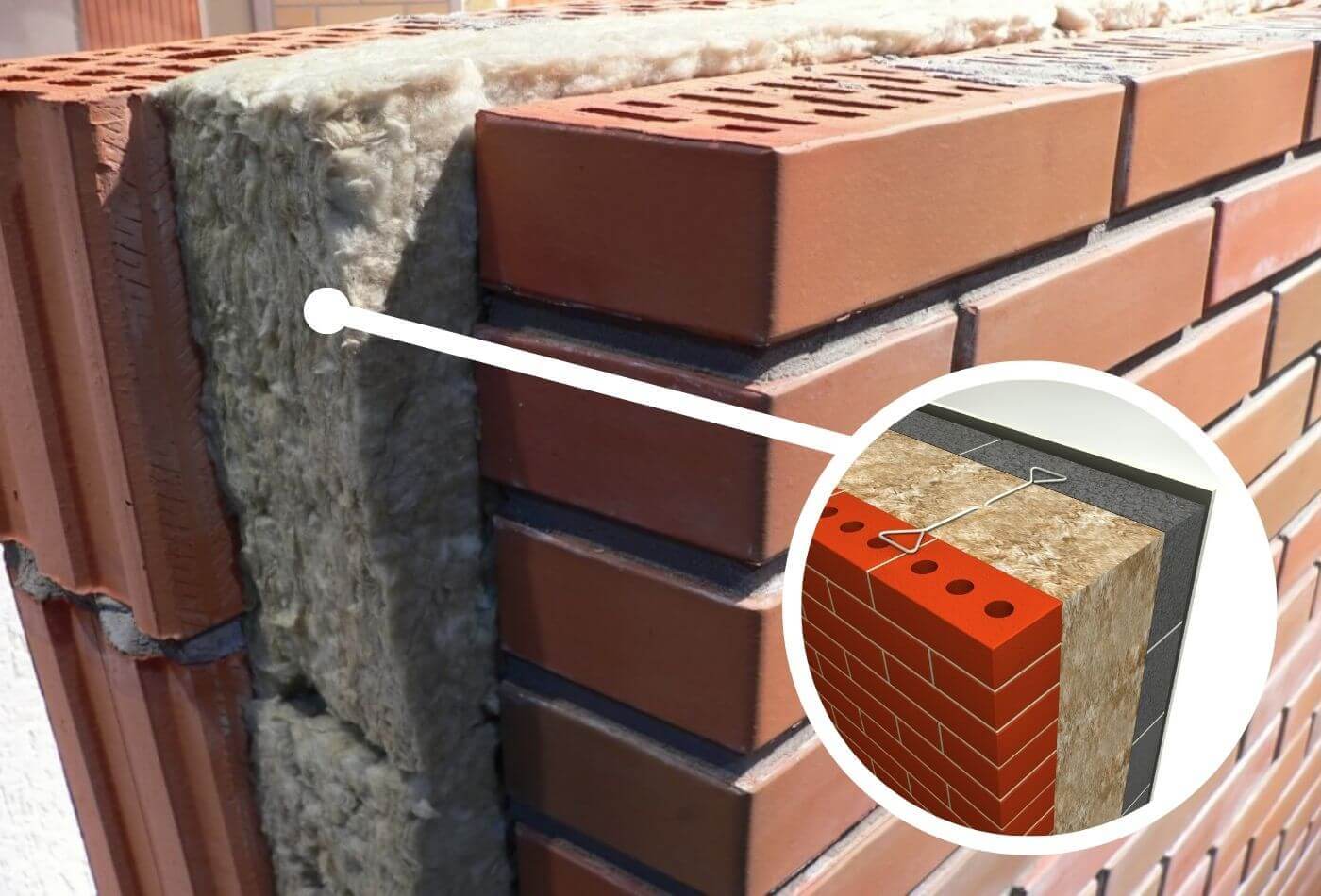
Cavity wall insulation and solid wall insulation serve the same purpose. That is, it reduces heat loss and improves energy efficiency. The area between internal and outside partitions or a cavity in a home where hollow space wall insulation is installed. This space is filled with insulating material such as polystyrene pellets, mineral wool or foam to trap air and reduce heat loss. Cavity wall insulation is generally more cost-effective and easier to install.
On the other hand, houses without cavities use solid insulation, where the walls are made of a single material. Insulation is applied directly to the exterior or interior of the wall by rendering on the exterior or by casting panels. Thick wall insulation is very expensive and difficult to install but provides excellent thermal efficiency, especially in older homes that have no insulation.
How Does Cavity Insulation Wall Work? Let MAI Explain!
Filling the Gap
It is injected into the space between the internal and outer partitions, reducing warmness loss and improving thermal performance, maintaining your home.
Thermal Barrier
The insulating cloth traps warmth inside and facilitates maintaining warm temperatures in wintry weather, even while preserving your private home cooler in the summertime.
Preventing Drafts
The cavity insulation reduces the cold spots and drafts to ensure constant warmth throughout your property, especially near the exterior walls.
Energy Savings
Well-insulated hollow space walls require much less power to live in heat, leading to decreased heating bills and a more electricity-efficient domestic environment.
Longevity
Once mounted, hollow space insulation lasts for many years, imparting long-term power savings and decreasing the need for common preservation.
Which Wall Insulation Is Best? Choose Experts at MAI!
Let’s see some general wall insulation types, but it is always highly recommended to approach experts before choosing!
1. Cavity Wall Insulation
Insulation is ideal for homes with a gap between internal and outer partitions; it effectively reduces warmth loss and offers energy and financial savings.
2. Solid Wall Insulation
Perfect for strong brick walls, presenting amazing thermal overall performance and lasting strength efficiency. It is useful in older UK houses without a hollow space wall.
3. Fiberglass Insulation
The insulation is suitable for both cavity and strong walls; it offers outstanding thermal and sound insulation and is price-range-pleasant.
4. Polystyrene Beads
A moisture-resistant option for cavity partitions and supporting hold comfortable indoor temperatures. A price-effective answer for UK homeowners.
5. Spray Foam Insulation
It works well in abnormal cavities, providing high thermal safety and moisture resistance. Insulation is popular in both new builds and retrofits across the UK.
Is Cavity Wall Insulation Waterproof?
Compartment walls alone are not waterproof. However, in some cases, condensation can help reduce water seepage. However, they are no longer an alternative to the right moisture barrier. Some substances, including mineral wool and polystyrene beads, can take in moisture while in contact with water. This causes moisture problems over time. It is important to ensure that your cavity walls are dry before installation. There are also appropriate measures such as damp proof rails to prevent water from entering if there is humidity. If there is a problem with the cave wall, it is best to fix the problem before installing the insulation. Expert advice can help you determine the right insulation material for your specific situation. Choose Experts at MAI.
How Much Does Cavity Wall Insulation Cost?
The value of hollow space wall insulation varies depending on the scale of the home. The type of insulation cloth used and the complexity of setup, with the common setup fee in the UK being between £500 and £1,500, including the fee for substances and professional setup. Although the premature fees can also appear excessive, savings on heating costs could make hollow space wall insulation a profitable investment over the years. Government grants and programs can help offset costs for eligible homeowners. It is important to request a quote from a professional to determine an exact price based on your home's specific needs. Choose MAI for affordable services.
Cavity Insulation Services in the UK – Choose MAI
Project Owners can post their projects. Hire skilled tradesmen in the UK now!
Expert Guidance
MAI provides professional advice on cavity insulation services in the UK, assisting you in picking the substances for your property's energy performance needs.
Professional Installation
Our trained specialists ensure the unique installation of hollow space insulation with minimal disruption to your daily lifestyle.
Energy-Efficiency Focus
MAI's wall insulation services in the UK reduce electricity bills, decorate home consolation, and contribute to long-term electricity financial savings.
Long-Term Solutions
With top materials, our hollow space insulation services within the UK provide lasting advantages, ensuring long-term performance and lowering upkeep needs.
Trusted Service
MAI's dependable cavity wall insulation services in the UK are dependent on customers to turn in professional results that improve shop-on-strength costs.
Conclusion:
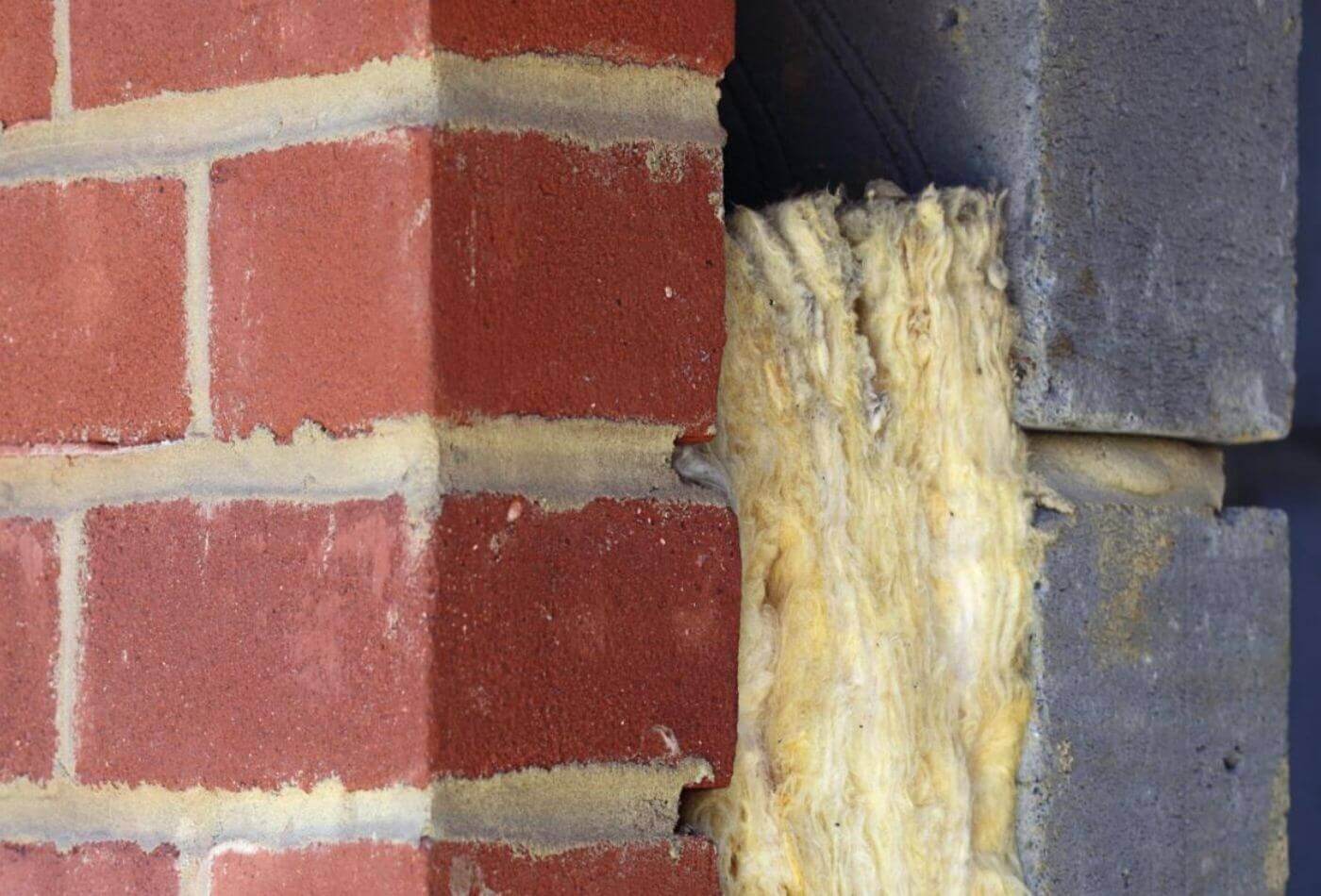
Insulation for cavities is absolutely a quick and relatively cheaper means of keeping one's house warm and lowering energy bills. If you live in the UK, such a small enhancement can drastically change the level of comfort in the home. At MAI, we are always here to support you in the journey from the very beginning to the final stage of cavity insulation. Whether you are looking for guidance or professional service, we are always there for you. Proper insulation of one's home will save money and, more importantly, keep one warm through the year. Don't wait. Prepare your home for the winter with cavity insulation in the UK today.
Frequently Asked Questions And Answers:
1. How Do I Maintain Cavity Wall Insulation?
Cavity wall insulation requires little maintenance once installed. It is very crucial to make sure your house remains free from damp or moisture. The ordinary checks for symptoms of water penetration and ensuring your home's outside partitions is very vital.
2. Can Cavity Wall Insulation Be Installed in All Types of Homes?
Cavity wall insulation is only available in homes with a cavity among the inner and outer walls. However, it is not suitable for homes with solid brick walls or where moisture issues exist.
3. Can I Install Cavity Insulation Myself?
While DIY installation of cavity wall insulation is possible, it is encouraged to lease experts for the best outcomes. Professional installers in the UK at MAI make certain that the insulation is correctly placed and that they can also discover any present problems with your walls that interest them.